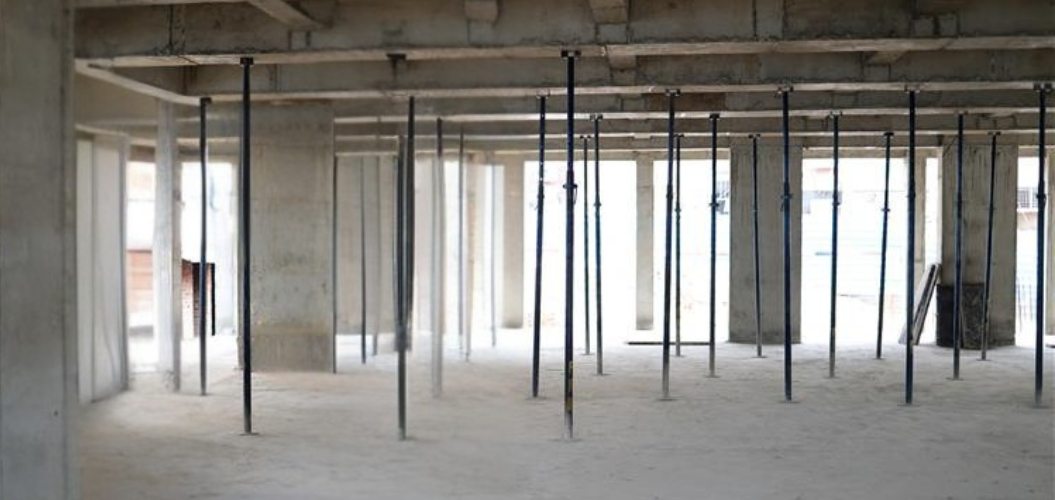
A plinth beam in construction often goes unnoticed, yet it quietly does a lot of the heavy lifting. It is placed at plinth level, where the foundation ends, and the walls begin. It helps keep the building together instead of acting like separate pieces.
In residential buildings as well as commercial buildings, the use of the plinth beam is for stability, transmission of loads, and control of movements. The beam is constructed using RCC, which is strong for long-term use.
What Is Plinth Beam in Construction?

A plinth beam is a reinforced concrete beam built at plinth level, usually above the foundation and below the ground floor walls. It creates a horizontal band that connects columns and walls.
When people ask what is plinth beam in construction, the simplest answer is that it is a structural member that spreads loads and helps reduce cracks caused by uneven settlement. It also provides a base for the construction of the wall, which is important if the soil is not uniform.
The fact that it is constructed using RCC means that it can withstand bending, compression, and settlement of the ground better than concrete or masonry.
Where Is a Plinth Beam Located?
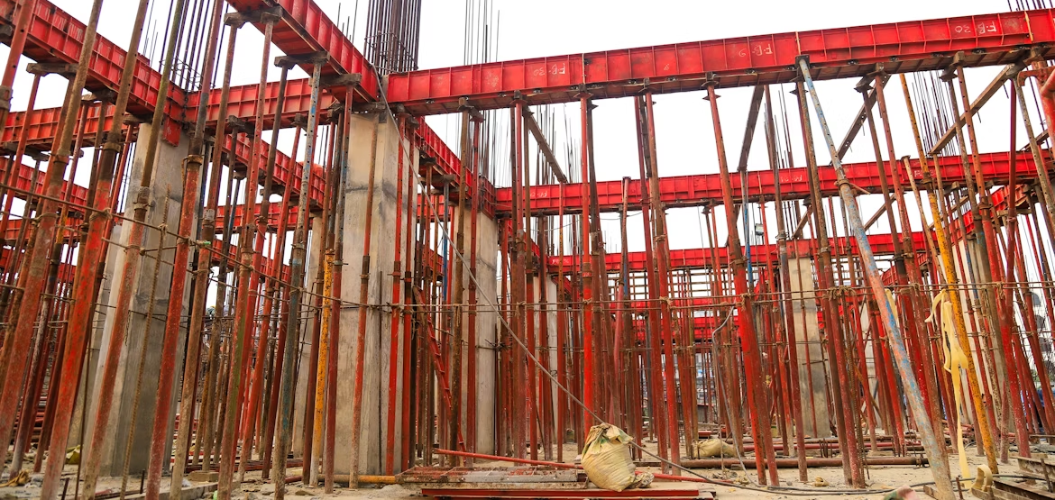 The plinth beam is located at a point where the building begins to rise above the ground. It is usually found:
- Above the foundation
- Below the finished floor level
- At the base of the walls
- Around the structural frame, where needed
This location matters because it marks the shift between the buried part of the structure and the part you see above ground.
The Reason RCC is Commonly Used in Plinth Beams
RCC stands for reinforced cement concrete.It is normally used in the construction of a plinth beam since it offers the compressive strength of concrete as well as the tensile strength of steel.
The use of RCC plinth beams is encouraged due to:
- Resistance to cracking
- Even distribution of loads
- Durability
- Ability to perform under different conditions
What Is the Purpose of a Plinth Beam?
Here are some main purposes of a plinth beam in construction:
Stability
The primary objective of a plinth beam is to enhance stability. It helps in holding the building as a single entity and lessening stress formation at the base of columns and walls.
Load Distribution
Instead of letting pressure collect in one spot, it transfers the load across the beam and into the supporting structure below. This becomes especially useful where the soil may settle unevenly.
Protection Against Settlement Cracks
One of the biggest reasons for using a plinth beam is to reduce the effect of differential settlement. If one part of the foundation settles more than another, the beam helps the structure absorb that movement more safely. That lowers the chance of cracks in walls and finishes.
Support for Wall Construction
The beam also provides a strong and level base for masonry work. When walls begin from a firm plinth beam, alignment is easier and the structure feels better balanced. Builders often treat it as the starting point for the upper part of the building for good reason.
Why Plinth Beam Matters in Residential Construction
In Residential Construction, the plinth beam is especially useful because homes need long-term stability without unnecessary structural complications. It helps the building handle day-to-day loads, weather changes, and small soil movement.
For houses, duplexes, and low-rise buildings, the plinth beam helps with:
- Better bonding between columns and walls
- Less likelihood of cracks in walls
- A stronger base for brick or block work
- Longer-lasting results over time
For residential property owners, this means less hassle in the future, as well as a stronger base for whatever is built on top.
Why Plinth Beam Matters in Commercial Construction
In Commercial Construction, plinth beam is a vital component because the construction might require extra strength to accommodate a bigger space, higher usage, or a complex floor plan.
For office buildings, shops, warehouses or other large establishments, a plinth beam helps in:
- Stability in the transfer of loads
- Alignment for larger wall lengths
- Less floor movement
- Stronger frames
What is the Standard Plinth Beam Size?
There is no specific size applicable to all projects. The size is based on structural design, wall loads, spans, number of floors, etc. So, it is for the construction contractor to decide which size is suitable for the project.
Common Size Considerations
A plinth beam design usually considers:
- Width
- Depth
- Span
- Reinforcement details
- Concrete grade
- Load conditions
| Start Your Project With Clarity
Avoid guesswork and build with the right guidance from RS Builders from day one. |
Plinth Beam vs Other Structural Beams
It is easy to mix up a plinth beam with other beams used in construction, but each one has a different job.
Plinth Beam vs Lintel Beam
A plinth beam is located at plinth level, while a lintel beam is placed above doors and windows. The plinth beam supports the structure at the base, while the lintel beam supports openings in the wall.
Plinth Beam vs Foundation Beam
A foundation beam works closer to the foundation system. A beam is constructed above this level. It connects the walls and the columns.
Plinth Beam vs. Tie Beam
A tie beam is a beam that connects the structure members. It is used to control the movement between the members. A plinth beam is a beam that connects the structure members. However, the connection is limited to the plinth level.
Benefits of Plinth Beam in Construction
The advantages of a plinth beam are not limited to the support provided. It is beneficial for the structure as a whole.
The advantages are as follows:
- Stability is improved.
- The chances of cracks are reduced.
- Support is provided for the structure of the walls.
- Load is distributed.
- Durability is improved.
- Performance is improved in different soil conditions.
These advantages are required for small-scale residential buildings as well as for large-scale commercial buildings. The reason is that the plinth level is the most sensitive area.
Common Construction Mistakes to Avoid
A plinth beam only works well when it is designed and built properly. A few common mistakes may impair its efficiency.
- Inappropriate beam size: It may impair strength or transfer of loads.
- Improper reinforcements: The steel used for reinforcements should be of good quality.
- Poor concrete quality: A poor-quality concrete mixture can affect the durability of plinth beam.
- Ignoring soil conditions: Site conditions should always guide the design.
When these details are missed, the beam may not protect the building the way it should.
Key Takeaways
A plinth beam in construction is a critical structural element placed at plinth level. It connects the foundation to the walls, improves stability, reduces cracking, and helps distribute loads more evenly. RCC Plinth Beams are widely used in both Residential and Commercial Construction due to the strength, durability, and reliability they provide.
A well-designed plinth beam not only holds the walls but also strengthens the complete building from the ground up.
Frequently Asked Questions
- What is the difference between plinth beam and lintel beam?
A plinth beam is placed at ground level to support walls, while a lintel beam is placed above doors and windows to carry loads from the structure above. - Can a plinth beam be used in single-storey buildings?
Yes, a plinth beam is commonly used in single-storey buildings to improve load distribution, reduce cracks, and provide a stable base for walls, especially on uneven or weak soil. - Does a plinth beam help during earthquakes?
Yes, a plinth beam helps improve structural stability by tying columns and walls together, which can reduce damage caused by ground movement or minor seismic activity in buildings. - Is waterproofing required with a plinth beam?
Yes, waterproofing is often recommended along with a plinth beam to prevent moisture from rising into walls, helping protect finishes and maintain long-term durability of the structure. - Who decides the size and design of a plinth beam?
The size and design of a plinth beam are decided by a structural engineer based on soil conditions, load requirements, and building design to ensure proper strength and stability.