The summer heat is not something that homeowners can ignore. It is a prime factor considered in residential construction when houses are designed in India. This is why residential construction is no longer about building a solid structure, but about making life inside the house comfortable, managing the heat, and minimising the use of air conditioners.
A heat-proof home starts with the way the house is designed, constructed, and how the sunlight moves across the house throughout the day. When all of this is well planned, the house remains cooler, making life inside much easier.
Why Heat Proof Homes Matter More In 2026
Homes designed for summer comfort are no longer a luxury, but a necessity. The increasing temperature, long spells of summer, and higher electricity bills have made people realise the importance of climate-friendly home design.
A home that holds on to the summer heat can get extremely uncomfortable, especially in the afternoon and evenings when the walls and roofs of the house start to release the accumulated summer heat.
Smart Residential Construction addresses this issue from the beginning. It does not depend on electrical appliances to solve the issue of summer heat, but on design principles to reduce the amount of summer heat from the beginning. This means better comfort, lower electricity bills, and a home that is more livable.
Start With Passive Design
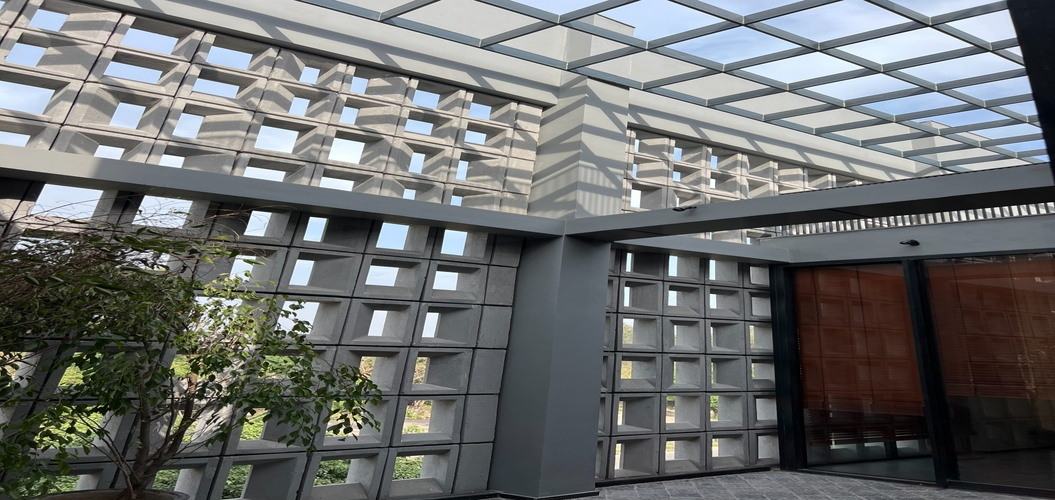
Passive design is one of the simplest and most effective methods for reducing indoor heat. It utilises the building architecture to promote natural cooling.
A few fundamental design concepts can go a long way:
- Orientation: The direction that the house faces determines the amount of sunlight it receives.
- Window Placement: The positioning of the windows helps the air circulate rather than trap the heat.
- Cross Ventilation: The free circulation of air keeps the air in the house fresh and prevents it from becoming stuffy.
- Shading: The overhang of the roof and the balconies and covers on the exterior walls prevent the direct sunlight from entering the house.
These ideas may seem simple, but they are highly effective when implemented correctly. Good residential construction incorporates passive design in the plan right at the beginning.
Choose Materials that Resist Heat
The materials used in a house can affect the amount of heat it gets. Some materials can absorb more heat, whereas some can slow down the process of heating.
Insulation
One of the most important things to get right in a house is the use of insulation. Proper insulation of the roof can prevent excess heat from entering the house. This is particularly important for the top floors of the house, as well as the attic area, where the temperature is particularly high.
Thermal Mass
The use of thermal mass is also an important factor to get right in a house. Brick and concrete are materials that can store heat, thus balancing the temperature inside the house.
Reflective Roofing
The next option to consider is the reflective roofing. It helps in reflecting the sun’s rays instead of absorbing them. This reduces the amount of heat transfer to a significant extent in the peak summer season.
Energy Efficient Windows
The other factor is the energy-efficient windows. It would improve the comfort inside the home by keeping the unwanted heat outside.
The smart material strategy in residential construction is not about using the most expensive material. It is about using the most appropriate material for the purpose.
Bring Back Climate-Smart Indian Design Elements
Some of the most innovative ideas in controlling the heat are not new at all. In fact, they have been around in Indian designs for ages. The only thing that has changed is the way these designs are now being incorporated into modern homes.
Jaali Screens
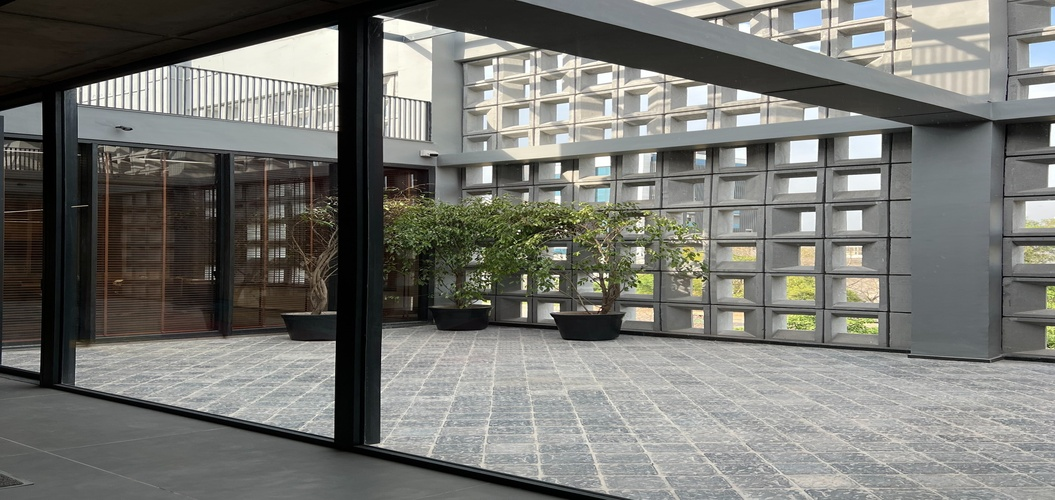
Jaalis regulate the harsh effects of the sun’s rays, facilitate the passage of air, and create a soothing atmosphere indoors. Jaalis also add to the overall appearance of the building’s exterior and do not compromise the aesthetics of the building for the sake of functionality.
Courtyards
Courtyards bring in the light and air into the center of the building and create a cooler space indoors. In tropical countries, this is one of the most important features that can make living easy.
Shaded Balconies and Porous Façades
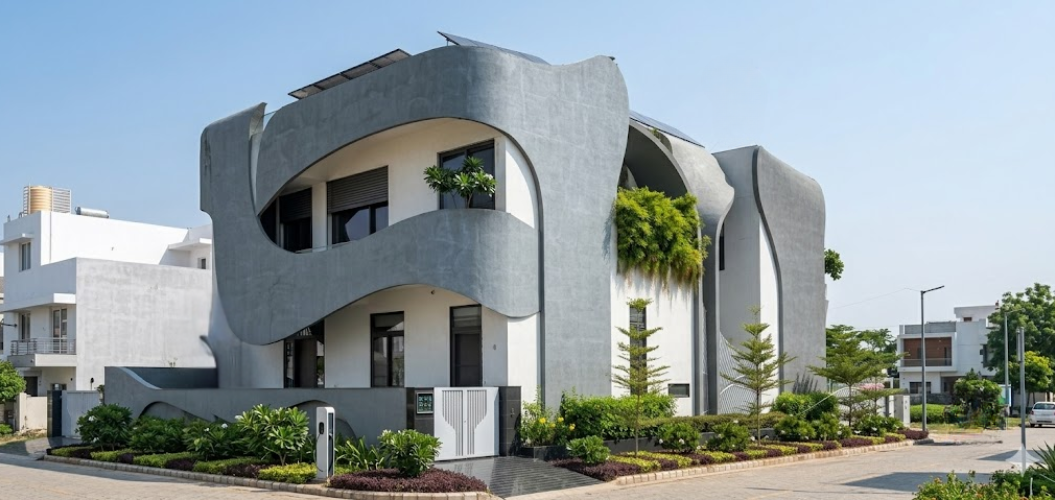
Shaded balconies or porous façades reduce the exposure to the sun while allowing the house to breathe. In the right setting, this brings back the logic that traditional homes have enjoyed for years. The Ribbon House by RS Builders is a great example of how this works. It reflects a practical approach to modern homebuilding.
Most of these climate-responsive concepts are not new. Cities such as Chandigarh have always been designed to consider the heat, light, and ventilation that buildings need. This influence still works today. In projects led by Ravijeet Singh, there is a clear effort to adapt similar thinking into modern residential construction, where shading, ventilation, and material choices work together to improve comfort without overcomplicating the design.
Use Biophilic Features To Cool Homes Naturally
Biophilic design brings nature into the home, and it does more than improve the look of a space. It can also support temperature control in a very practical way.
- Green façades and vertical gardens reduce the impact of direct sunlight on walls. Plants can soften heat exposure and make the edges of a home feel less harsh. Even a modest amount of greenery can change how a space feels in summer.
- Natural materials like clay, stone, and lime-based finishes often feel cooler and are well-suited to warm climates. They bring a grounded, breathable quality that many homeowners appreciate.
- Water and landscape elements can also support a cooler setting around the house, especially when combined with shade and planting. The point is not to create decoration for its own sake. It is to shape the environment in a way that supports comfort naturally.
When biophilic thinking is built into residential construction, the home feels more connected to its surroundings and better prepared for summer heat.
What Smart Residential Construction Looks Like In Practice
When all of these elements come together, the result is a house that performs better in summer without feeling over-designed.
A heat resistant home usually includes:
- Thoughtful orientation
- Strong insulation
- Reflective roofing
- Cross ventilation
- Courtyards or jaali
This is the real value of residential construction done well. It is not only about how the house looks at the end. It is about how it feels every day.
Key Takeaways
Heat proof homes are not built through one clever trick. They come from a series of smart decisions made early in the design and construction process. The best homes combine passive cooling, climate-ready materials, natural shading, and thoughtful layout planning.
For anyone planning a construction project in 2026, the message is clear. Residential construction should be judged not only by strength and style, but by how well it handles heat.
The homes that feel best in summer are usually the ones that were planned best from the beginning.
Frequently Asked Questions
- What is the most effective way to keep a home cool through construction?
The best approach is to combine orientation, insulation, ventilation, and shading. When these work together, the home naturally resists heat instead of trapping it. - Do jaali screens really help in hot weather?
Yes, they do. Jaali screens reduce harsh sunlight, allow airflow, and create softer indoor conditions. They are both practical and visually appealing. - Which materials work best for heat resistant homes?
Brick, concrete, stone, clay, and well insulated roof systems are all useful. The best choice depends on climate, budget, and the way the house is designed. - Can a house stay cooler without using too much air conditioning?
It can. Good planning, passive cooling, shade, and natural ventilation can reduce the need for AC and make the home more comfortable throughout summer. - Why is passive design important in Residential Construction?
Because it controls heat before it enters the house. That means less discomfort, lower energy use, and a home that feels better in daily life.