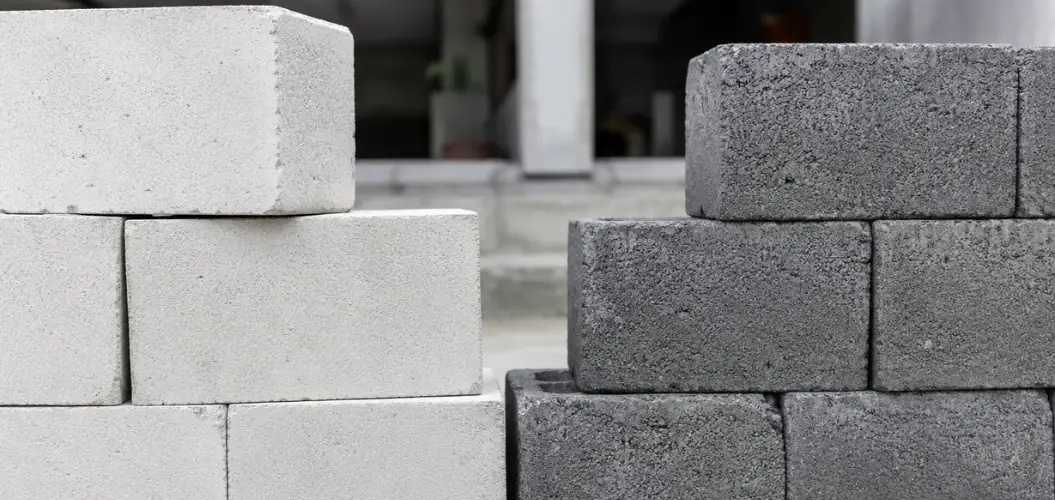
When choosing materials for the house, one must select the wall material with utmost priority. The wall is equally important in the construction of the house as the foundation or the roof.
There are two types of materials that are commonly used in modern times, and they are AAC blocks and fly ash bricks. These two materials are regarded as reliable materials when compared to clay brick; however, these materials have some differences in terms of weight, strength, cost, and performance.
In case one wants to compare AAC blocks and fly ash bricks, then understanding how these materials perform during the construction process can enable one to make an informed decision.
What Are AAC Blocks?
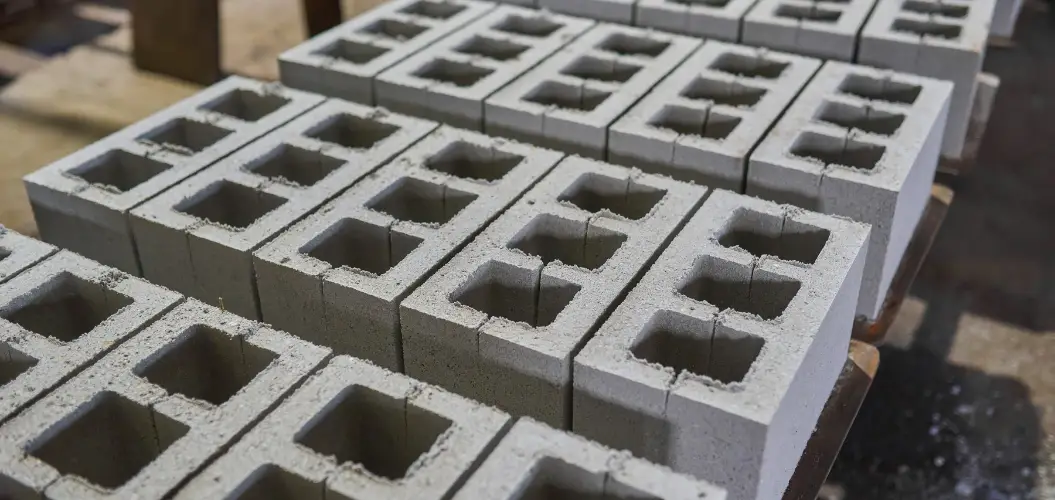
AAC (Autoclaved Aerated Concrete) blocks are lightweight blocks that involve using cement, lime, sand, gypsum, water, and an aerating agent. The mixture is then cured using high pressure and temperatures in an autoclave, thereby forming air pockets inside the blocks.
These air pockets result in the formation of lightweight blocks, which have excellent structural properties even though they are much lighter than the usual bricks. These blocks are preferred for residential, commercial, and high-rise structures.
What Are Fly Ash Bricks?
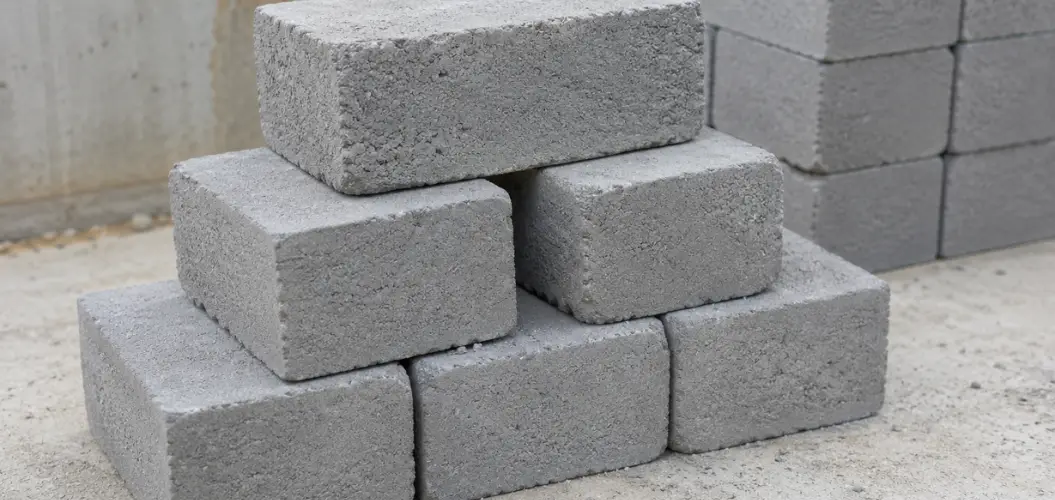
Fly ash bricks are produced using fly ash, cement, sand, or stone dust along with water in a controlled brick-making process. Fly ash is the waste material generated from thermal power plants and is utilised for making fly ash bricks.
They have become quite popular due to their dimensional uniformity, high compression strength, and superior finishing compared to conventional clay bricks.
AAC Blocks vs Fly Ash Bricks: What’s the Difference?
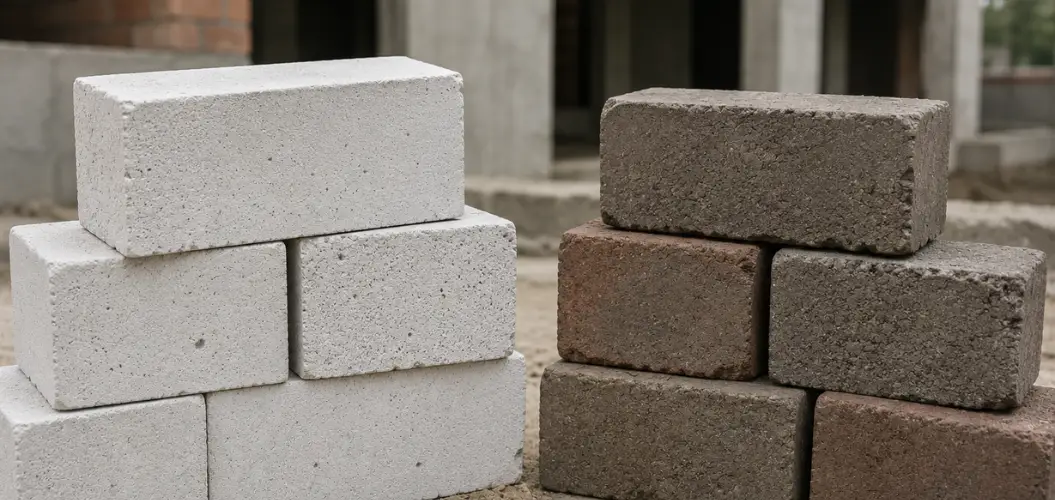
Despite being two relatively modern substitutes for the regular red bricks, these two types differ in many aspects.
Firstly, AAC blocks are much lighter, thus can be easily transported and laid. The bigger dimensions mean fewer joints, resulting in a faster construction process and a smaller amount of the used mortar. AAC blocks provide great thermal insulation and are environmentally friendly.
The Fly Ash bricks, in contrast, are denser and stronger, thus can be effectively used when durability and ability to resist any impacts are important. Due to their standard form, neat masonry works are possible without any extra waste.
There is no such thing as a better material in this case. It all depends on the building and its specific conditions.
AAC Blocks vs Fly Ash Bricks: A Quick Comparison
| Feature | AAC Blocks | Fly Ash Bricks |
| Weight | Lightweight | Heavier |
| Size | Larger blocks | Standard brick size |
| Compressive Strength | Good | Higher |
| Thermal Insulation | Excellent | Moderate |
| Sound Insulation | Excellent | Good |
| Construction Speed | Faster | Moderate |
| Mortar Consumption | Lower | Higher |
| Water Absorption | Higher | Lower |
| Fire Resistance | Excellent | Very good |
| Cost | Higher material cost, lower labour | Lower material cost, higher labour |
Strength Comparison
The first parameter that is considered by homeowners is the strength of the materials.
Fly ash bricks are normally stronger compared to AAC blocks since their compressive strength is higher, and hence can withstand more loads. Fly ash bricks can also withstand the stresses and strains caused by wear and tear.
The strength provided by the AAC blocks is sufficient to handle the requirements of most buildings as per design. The main advantage of AAC blocks is the low weight, which reduces the dead load.
Cost Analysis
Considering only the initial cost is a misconception. The AAC blocks have a higher individual cost than that of fly ash bricks. This is due to their large dimensions, which means fewer blocks are required for an equivalent area of wall to be erected. Large dimensions mean less time for labour and lower cost for mortar.
Fly ash bricks have a lower purchasing cost; however, the high number of bricks and higher time consumption during construction make their total cost higher.
Performance Comparison
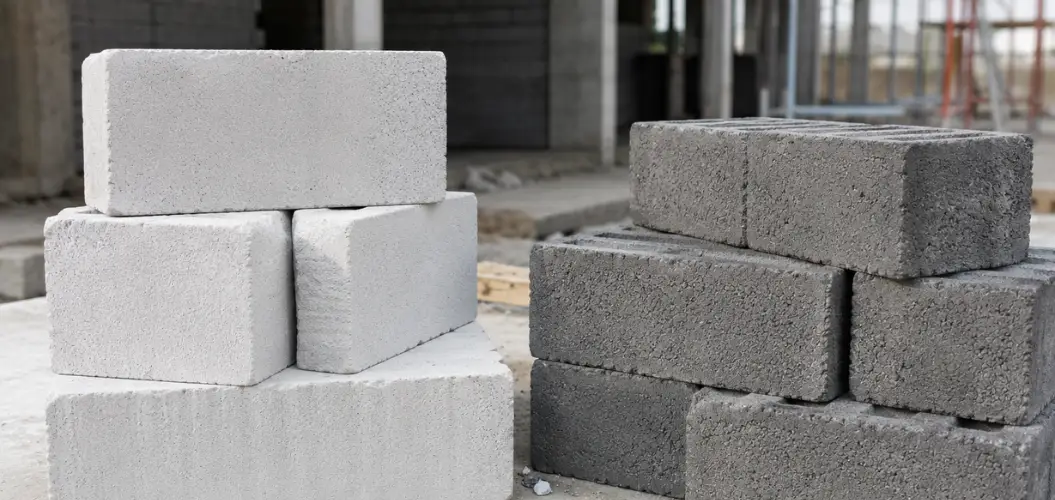
Performance depends on the material’s strength. However, a good walling material should not only be strong, but also efficient in providing comfort, longevity, and energy efficiency.
One of the major benefits of AAC blocks is that they are excellent in hot climate conditions due to the insulating effect of the air pores. Consequently, the indoor temperatures become lower without excessive use of air conditioners. Moreover, AAC blocks possess good sound insulation qualities; therefore, they are widely used in homes, apartments, and offices.
As for fly ash bricks, they are known for high durability and precision of dimensions. The ability of fly ash brick to absorb less water compared to AAC block reduces the risk of moisture. In addition, both products are fire-resistant.
Factors to Consider Before Choosing
Before selecting either AAC blocks or fly ash bricks, consider the following:
- Building height and structural design
- Project budget
- Local climate
- Labour availability and installation experience
- Construction timeline
- Thermal insulation requirements
- Long-term maintenance expectations
Evaluating all these factors together leads to a more practical decision than focusing on material cost alone.
Why Professional Construction Services are Important
Selecting a walling material is not just a matter of comparing specifications. Construction projects come with their unique requirements from a structural, architectural, and environmental perspective.
Expert advice takes into account all these factors to recommend a particular material that will do well throughout the lifetime of the structure. At RS Builders Mohali, we ensure the material recommendation is based on what will suit the project and not just a trend in the industry. This can be AAC blocks or any other suitable material.
Conclusion
Comparison of AAC Blocks vs. Fly Ash Bricks is not about establishing which material is superior to the other, since both materials have shown great results in the modern building industry. The first one, AAC blocks, are lightweight, thermally insulated, and can be installed quickly, making it perfect for efficient constructions. The second one is durable, strong, and can give precise dimensions making it a great option for construction of residential and commercial buildings.
Choosing the right material depends on what exactly you need from it. You can get everything you want with the help of reliable construction services.
Frequently Asked Questions
- Are AAC blocks suitable for load-bearing walls?
Yes, AAC blocks can be used for load-bearing walls in suitable building designs. Their use depends on structural calculations and should always follow engineering recommendations. - Which material is faster to install: AAC blocks or fly ash bricks?
AAC blocks are generally faster to install because of their larger size. Fewer units are required, which reduces joint work and speeds up wall construction. - Do AAC blocks and fly ash bricks require different types of mortar?
Yes. AAC blocks are often laid using thin-bed adhesive, while fly ash bricks are commonly installed with conventional cement mortar, depending on project specifications. - Which material offers better thermal comfort inside a home?
AAC blocks provide better thermal insulation due to their lightweight cellular structure, helping maintain more comfortable indoor temperatures throughout different seasons. - How should I choose between AAC blocks and fly ash bricks for my project?
The right choice depends on your building design, budget, climate, structural requirements, and construction goals. Consulting experienced professionals ensures the material suits your project.