Scaffolding in construction is a temporary outer structure that is built to provide support to the workers during construction. It is used to provide a safer working environment for the personnel and helps in the easy carrying of supplies and equipment. It is mainly made of steel, aluminium, or wood, depending on the requirements of a project. Let’s learn about the concept of scaffolding, its types, and uses in detail.
What Is Scaffolding In Construction?
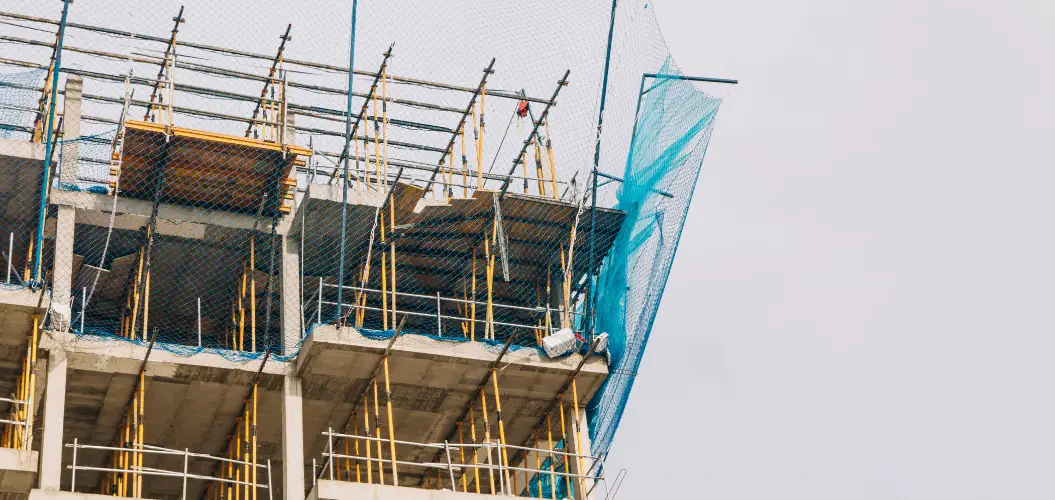
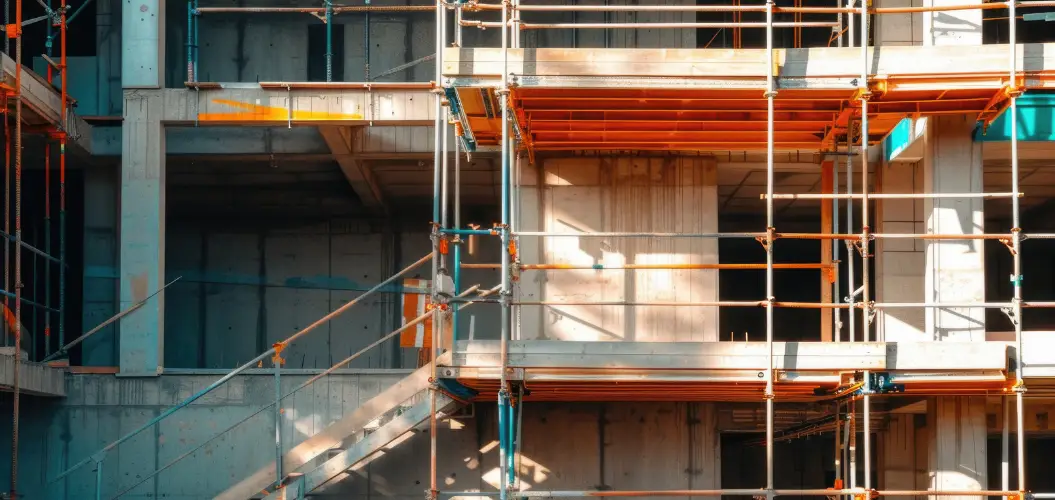
The scaffolding in construction refers to a temporary support structure built to assist the workers in accessing high parts of the building safely. The structure is typically made from materials such as steel and aluminium, or wood, where platforms, braces, and other support systems are assembled on the construction site.
Simply put, the scaffolding acts as an adjustable working platform that can be altered to meet the demands of the task. The scaffolding enables easy access to the wall surfaces, ceiling, roof, and exterior sections of a building without relying solely on ladders or other forms of temporary support structures.
Uses include:
- Plastering and painting
- Brick laying
- Maintenance, repairs, and renovation
- Window fitting and cladding
- Inspection
- Construction at height
The Importance of Scaffolding
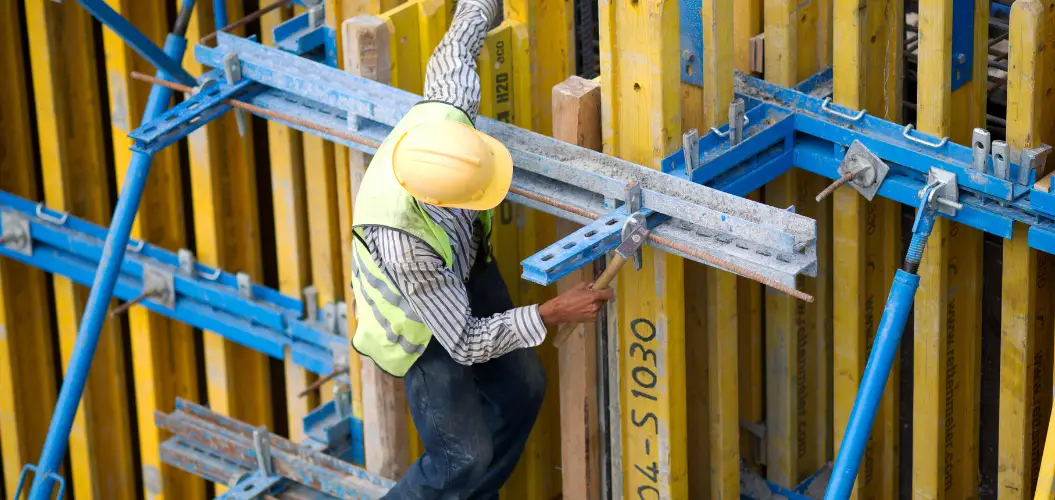
Oftentimes, scaffolding is viewed as something which will simply allow people to work at elevated areas; however, that is not its only role. Here are some other functions of scaffolding:
- More mobility for construction workers
- Materials can be kept closer to the work area
- Better organisation of the construction site
- Safety improves when the structure is properly built
Every person who is involved in any aspect of construction understands the amount of time wasted when people lack good access points. Scaffolding minimises such friction by providing people with a proper platform to work with.
Common Types of Scaffolding in Construction
Different types of scaffolding systems are used depending on the scale of the construction project. For instance, a residential structure undergoing repair will require a completely different type of scaffolding than a commercial construction site. Therefore, it would be helpful to consider some of the most common types.
1. Supported Scaffolding
It is the most commonly used type of scaffolding. It stands on the ground and is built upward with poles, frames, and platforms.
It is usually utilised in:
- Building general structures
- Plastering and painting
- Bricklaying
- Residential and commercial structures
2. Suspended Scaffolding
The suspended scaffold does not stand on the ground; instead, it is suspended from above the building. It is helpful in situations where access to the ground below is limited, but it requires careful planning and installation.
Some of its uses include:
- Window washing
- Facade maintenance
- Repair works on high-rise buildings
3. Mobile Scaffolding
A mobile scaffold is fitted with wheels, and therefore it can be easily relocated from one place to another. It is best suited for jobs where mobility is important.
Uses include:
- Internal maintenance
- Electrical works
- Roofing works
- Temporary jobs at a fixed site
4. Cantilever Scaffolding
In this case, scaffolding is supported from one side of the ground immediately underneath. It is used where the area of support is not available or where access from below is restricted due to any obstruction.
Its applications include situations where:
- The ground surface is uneven
- There are obstacles in the ground below
- The construction work is required above a busy space
5. Trestle Scaffolding
Trestle scaffolding is usually used for lower-height indoor work. It relies on movable ladders or tripods and suits small jobs.
It is often used for:
- Ceiling repairs
- Painting
- Light maintenance work
It is simple, but it is not meant for high-level construction.
Where Scaffolding Is Used On Site
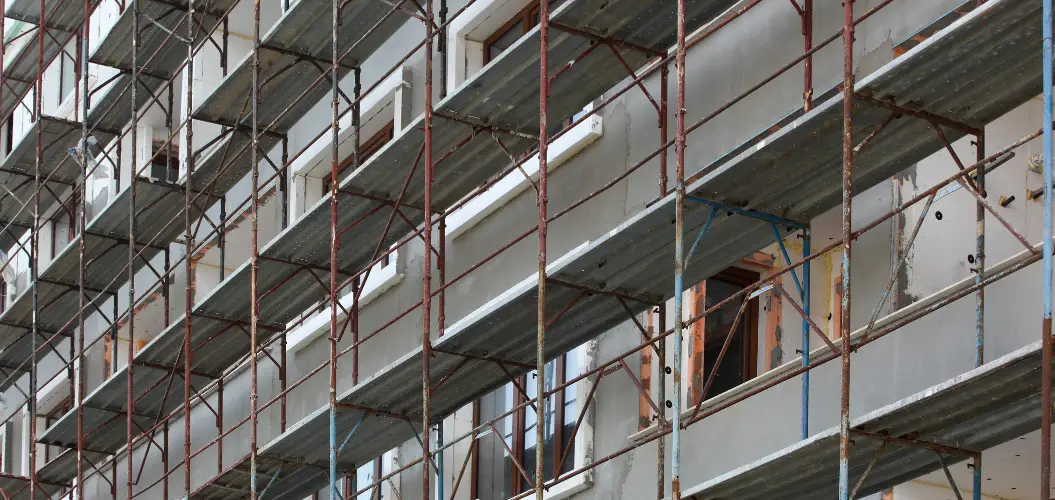
Scaffolding is not only for tall towers or large commercial projects. It appears in many kinds of work, sometimes in places people do not even think about.
Common uses include:
- Exterior wall construction
- Repair and renovation work
- Roofing and overhead work
- Façade finishing
- Structural inspection
- Painting at height
In a construction company, scaffolding becomes part of the rhythm of the site. It is often one of the first things set up and one of the last things removed.
What Makes Good Scaffolding?
Not every scaffold is built the same way, and that makes a real difference. A good setup should do more than stand upright.
It should be:
- Stable
- Properly braced
- Suitable for the load it carries
- Easy to access
- Checked regularly during use
It also needs to be put together by people who understand the site, the job and the risks involved. A scaffold that looks fine from a distance can still be unsafe if it is poorly planned.
At RS Builders, we have seen how much smoother a project runs when temporary work is given the same care as permanent work. That matters especially on busy sites, where every movement counts.
Safety Should Always Come First
Scaffolding is useful, but only when it is used properly. Safe use depends on training, checking and discipline.
A few basic rules matter a lot:
- Inspect the structure before use.
- Do not overload platforms.
- Keep surfaces clear of loose materials.
- Use proper access points.
- Make sure the scaffold is secure before work begins.
These are simple steps, but they prevent many problems. On-site, shortcuts usually cost more later.
Conclusion
Though scaffolding in construction is often temporary, its significance cannot be underestimated. Scaffolding enables access and helps in the daily routine of the construction process.
For every construction company, scaffolding serves as a key to successful site management and organization. And when site work is handled well, everything that follows usually has a better chance of staying on track.
Frequently Asked Questions
- What is the main purpose of scaffolding in construction?
Scaffolding provides temporary support and safe access for workers carrying out tasks at height, including plastering, painting, brickwork, repairs and exterior construction activities. - Which type of scaffolding is most commonly used?
Supported scaffolding is one of the most commonly used systems because it is stable, practical and suitable for residential, commercial and general construction work. - Is scaffolding only used for tall buildings?
No, scaffolding is used for many types of projects, including home renovations, painting work, ceiling repairs, maintenance tasks and smaller construction activities. - Why is scaffolding safety important on construction sites?
Proper scaffolding safety helps reduce accidents, improves worker movement and ensures construction activities at height can be carried out in a more controlled manner. - How does a construction company choose the right scaffolding?
The choice depends on factors such as building height, project type, site conditions, access requirements and the nature of the construction work being carried out.