If you’re planning a construction project, this question almost always comes up. Someone mentions modular construction and how quickly it can be done. Someone else brings up factory-made quality. Before long, you’re wondering whether traditional construction is already outdated.
At the same time, if you simply look around most Indian cities, the reality is obvious. Homes, offices, and commercial buildings are still largely built the traditional way. That’s not because people don’t know about modular construction. It’s because traditional construction continues to fit the way most projects actually unfold on the ground.
What has changed is pressure. Deadlines are tighter. Skilled labor is not always easy to line up. Clients want clearer commitments. That’s why the discussion around modular vs traditional construction is happening more often now. But discussion alone doesn’t make a method right for every project. Suitability still matters more than novelty.
Traditional Construction in India: How It Works on Site

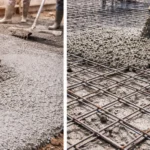
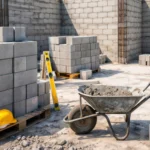
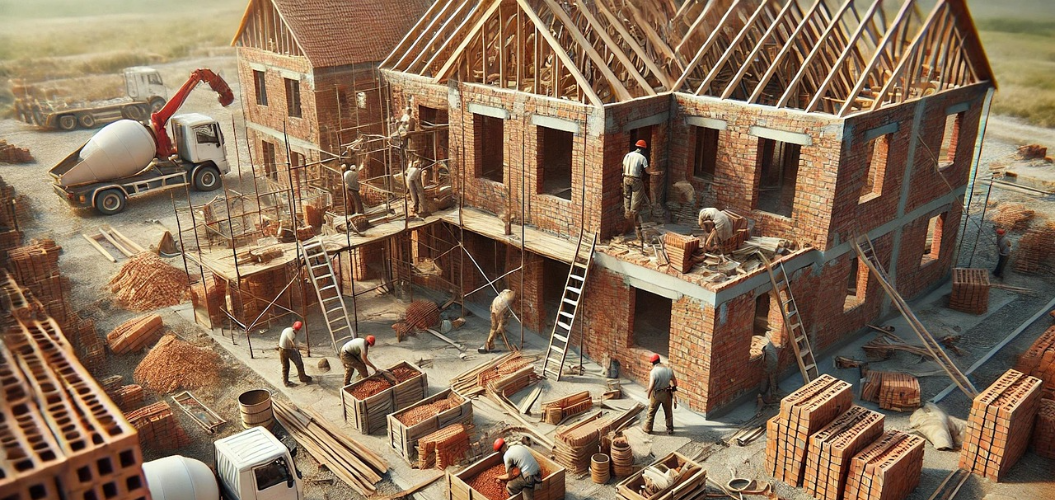
Traditional construction follows a rhythm that most Indian sites are used to. Work happens directly on the plot. One stage leads into the next. Excavation, foundation, structure, masonry, services, and finishes move forward in sequence, sometimes overlapping where possible.
What makes this method dependable is its ability to adjust. Site conditions are rarely perfect. Soil surprises happen. Weather delays are common. Design ideas evolve once spaces start taking shape. Traditional construction allows all of this to be handled gradually, without forcing everything into a fixed mould.
It works particularly well when:
- The design is customised or still evolving
- The site has access constraints or irregular shapes
- Local materials and labour play a big role
- Decisions are taken step by step during construction
This flexibility is why traditional construction continues to dominate residential projects in India. It works with reality, not against it.
Modular Construction in India: What It Actually Means
 Modular construction takes a very different approach. Instead of building everything on site, large portions of the structure are produced in a factory setting. These components are then transported and assembled at the site.
In modular construction in India, this method is still selective. You’ll usually see modular systems used in:
- Hotels and hostels
- Hospitals and medical facilities
- Temporary or semi-permanent buildings
- Developments with repeating layouts
Modular vs Traditional Construction: Key Differences
When people talk about modular vs traditional construction , speed tends to dominate the conversation. But speed alone doesn’t tell the full story.
Traditional construction gives you room to respond. Modular construction gives you predictability.
Some differences that show up clearly during execution are:
- Timeline: Modular projects often finish faster because work happens in parallel. Traditional projects take longer but adapt as they go.
- Quality control: Modular construction benefits from factory consistency. Traditional construction relies on supervision and workmanship.
- Design changes: Traditional sites can absorb changes more easily. Modular systems need early finalisation.
- Site dependency: Traditional construction reacts to site conditions. Modular construction reduces on-site work but increases planning pressure.
Cost Comparison: What You Pay For and When
Cost is usually where opinions become strong and clarity becomes weak.
Modular construction often looks expensive at first glance because a large part of the cost is committed upfront. Fabrication, transport, and installation are priced early. In return, projects may save time and reduce certain site-related expenses.
Traditional construction spreads spending over time. This often feels more manageable, especially for individual homeowners. It also allows budget adjustments as the project progresses, something many clients are comfortable with.
Instead of asking which option is cheaper, it helps to ask:
- How fixed is the design?
- How important is speed?
- How free do you want to be right in the middle of the project?
Projects in Chandigarh & Mohali: Which Method Fits Better?
Local conditions have a greater bearing on construction decisions than may be commonly thought.
Projects in Chandigarh and Mohali have a lot to do with independent plots, existing neighborhoods, and close-knit regulations. Access may not be that good, nor is the storage space. Coordination with surroundings does matter. Traditional construction copes well with these conditions because it is adaptable on site.
Modular construction can work when projects are larger, more repetitive, and planned thoroughly from the beginning.
For modular systems to succeed locally, transport logistics, crane access, and staging areas must be sorted in advance. Without that groundwork, the advantages of modular construction reduce quickly.
This is why many local projects either stay traditional or use prefabricated elements selectively rather than switching fully to modular systems.
Design Freedom vs Standardisation: What to Expect
Design freedom is where the difference becomes very clear. Traditional construction allows ideas to evolve. Layouts can be adjusted. Structural decisions can be refined. Materials can be changed based on availability or preference.
Modular construction works best with standardisation. Modules are designed to repeat efficiently. That doesn’t mean poor design, but it does mean working within a defined system.
Before choosing a method, clients should be honest about:
- Whether the design is fully final
- How important customisation really is
- Whether repetition suits the project’s purpose
Durability, Repairs, and Long-Term Maintenance
There’s a common assumption that modular buildings are automatically more durable because they’re factory-made. In practice, durability depends less on the method and more on how details are handled.
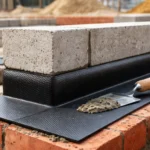
Joints, waterproofing, service coordination, and repair access matter just as much in modular buildings as they do in traditional ones. A poorly detailed joint will fail regardless of where it was built.
Long-term performance depends on:
- Material quality
- Execution discipline
- Protection against moisture
- Ease of future maintenance
How to Choose the Right Method for Your Project
Once you step away from trends, the choice becomes simpler.
Ask questions that relate directly to your project:
- Will the design change during construction?
- How strict is the timeline?
- What are the site limitations?
- How involved do you want to be day to day?
Custom homes usually suit traditional construction. Time-sensitive commercial projects may benefit from modular systems. In some cases, a combination of both works best.
Picking the Right Construction Company for Either Method
Whichever method you choose, the construction partner matters more than the system itself.
A responsible construction company does not sell a method. It evaluates the site, the design, and the expectations before recommending an approach.
At RS Builders, projects are assessed based on practicality rather than trends. Planning, coordination, and execution discipline remain the focus, whether the project uses traditional construction, modular systems, or a hybrid approach.
Final Take: Modular vs Traditional Construction
The conversation around modular vs traditional construction should not be about what sounds advanced. It should be about what fits the project in front of you.
Both methods can produce strong, reliable buildings when used in the right context. The projects that succeed are the ones where decisions are made thoughtfully and execution is handled with care.
In the end, the method matters less than how well it is planned and built.