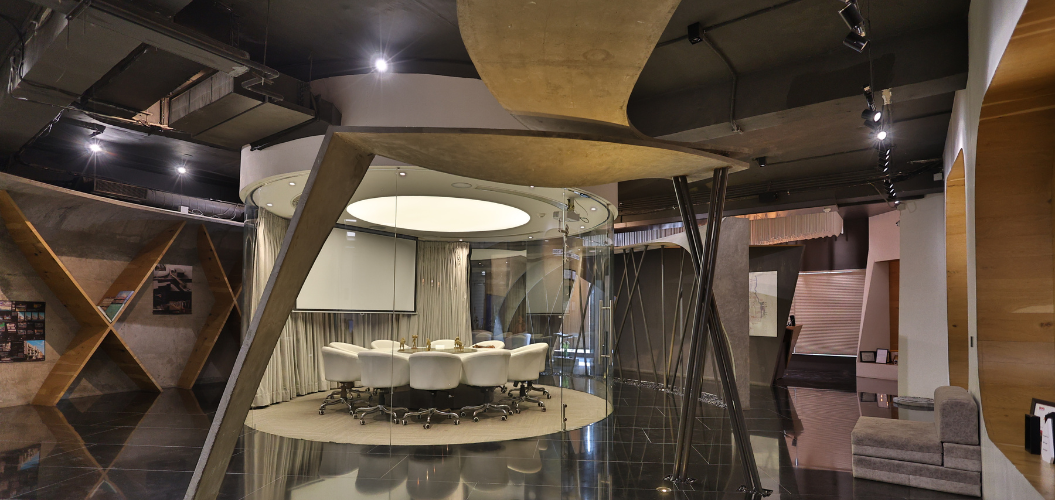
Many office interiors appear impressive at the time of delivery. Fresh looks, new furniture, clean-cut designs. The real test, however, begins when people start occupying the office.
In commercial construction, a future-ready structure is one that continues to be functional no matter what changes come its way. This could be in terms of an expanding and reducing workforce, changes in working patterns, and advancements in technology. An office that is not future-ready will soon start feeling very restrictive.
Future-ready design is not about predicting the future perfectly. What it really means is overcoming friction. When spaces are planned with flexibility and practicality in mind, businesses avoid repeated disruptions, unnecessary renovations, and productivity loss later on.
How Modern Offices Function
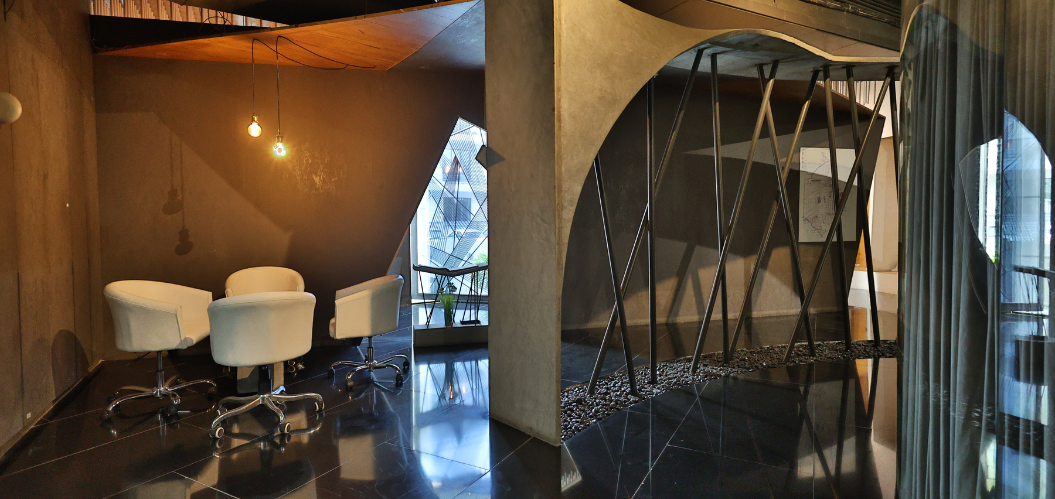
Office design works best when it reflects how people actually work, not how we assume they work. Many organizations today operate with mixed schedules, overlapping teams, and changing priorities.
An effective office should ideally accommodate the following:
- Focused work, where a person requires quiet and no disturbance
- Collaboration, both formal and informal meetings
- Personal communication, for example, telephonic or internal discussions
- Client interactions, where professionalism and comfort are key
By having a proper understanding of those needs right from the start, the design naturally becomes more balanced. Instead of overcrowding the layout with meeting rooms or open desks, spaces are allocated based on real usage. This clarity helps offices feel functional rather than forced.
Flexibility As A Core Design Principle
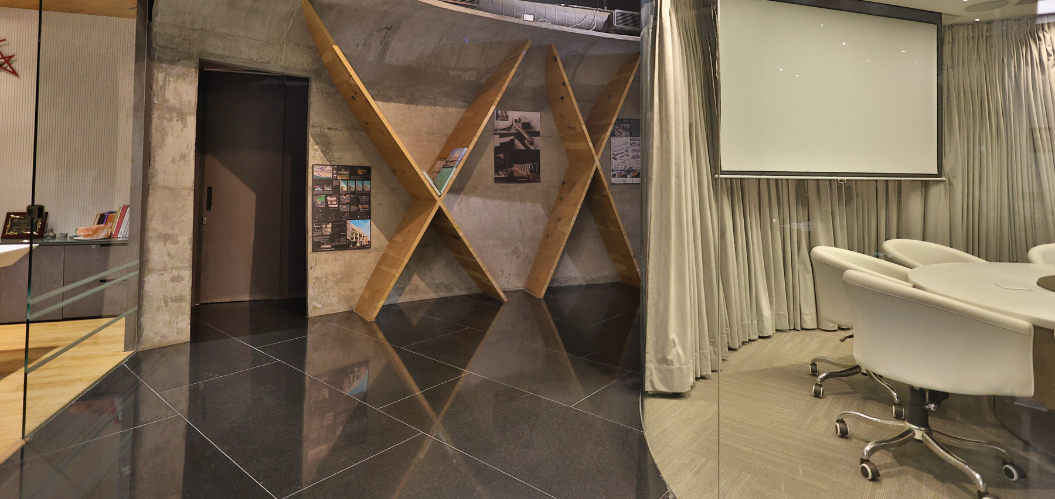
Flexibility has become one of the most important principles in modern office interiors. Businesses rarely remain static, and office layouts should reflect that reality.
Future-ready commercial interiors often include:
- Modular furniture systems that can be rearranged without major changes
- Movable partitions that allow spaces to expand or contract
- Multi-purpose zones that serve different functions over time
- Layouts that allow for growth without disturbing circulation
Flexibility is not about keeping everything open. It is about designing with change in mind. In commercial construction, this approach reduces long-term costs and avoids frequent disruption when teams evolve.
Planning For Technology Without Overbuilding
Technology is essential in offices, but it needs to be planned carefully. Too little planning leads to visible fixes later. Too much planning can make upgrades difficult.
A future-ready approach focuses on:
- Clear service routes for data and power
- Thoughtful placement of power points, not excess
- Meeting rooms designed for future AV upgrades
- Accessible zones for maintenance and changes
The goal is to make it easy to upgrade in the future. Offices must be able to interface with new systems with minimal disruption to regular activity or tearing up of finishes. In commercial interiors, effective technology integration must be invisible.
Employee Comfort And Productivity-Centred Design
The level of comfort of the employees will directly influence the quality of the office. If the lighting in the office is poor, the sound level is too high, or the office layout is uncomfortable, it may not seem critical at first, but they quickly impact focus and morale.
Future-ready office design addresses comfort through:
- Well-balanced natural light, glare reduction as needed
- Acoustic design for noise control in open spaces
- Proper ventilation and indoor air quality during long working hours
- Ergonomic layouts, including desk spacing and circulation
Comfort-oriented design doesn’t have to be complex. It needs to be thoughtful. Offices that address all of these considerations from the start tend to be more serene and efficient with less effort.
Sustainable And Efficient Commercial Interiors
Sustainability in office interiors has become more practical and less symbolic. Businesses now view it as part of long-term efficiency rather than a design statement.
Future-ready sustainability decisions often include:
- Energy-efficient lighting systems with smart zoning
- Durable materials that reduce frequent replacement
- Efficient plumbing fixtures in washrooms and pantries
- Design strategies that maximise daylight and ventilation
In commercial construction, sustainable choices also reduce maintenance and operating costs. When systems and finishes last longer, offices remain efficient and easier to manage over time.
Brand Identity Through Office And Interior Design
Office interiors communicate a company’s culture, often more clearly than branding elements. The way a space is planned and used reflects how the organization works.
Future-ready offices express brand identity through:
- Consistent material and colour palettes
- Layouts that support the company’s working style
- Reception and common areas aligned with brand tone
- Design choices that balance function and identity
Rather than focusing on visual impact alone, effective office design ensures that the space feels natural to the people using it. Authenticity tends to last longer than decorative statements.
Importance Of Coordination Between Design And Execution
A strong design can lose value if execution is not handled carefully. Commercial interiors involve many systems working together, and poor coordination often leads to compromises.
Good coordination helps to:
- Preserve design intent during construction
- Reduce clashes between services and finishes
- Avoid last-minute changes and rework
- Maintain consistency across large floor areas
An experienced construction company ensures that design decisions are translated accurately on site. This discipline protects both quality and timelines.
Role Of Experienced Builders In Future-Ready Commercial Projects
Future-ready commercial interiors depend heavily on execution quality. Offices are complex environments with tight schedules and multiple trades working simultaneously.
Experienced builders focus on:
- Detailed planning before execution begins
- Clear sequencing across civil, MEP, and interior works
- Consistent on-site supervision
- Attention to detailing and long-term performance
At RS Builders, commercial construction projects are approached with a focus on durability and adaptability. Under the leadership of Ravijeet Singh, the emphasis remains on delivering office spaces that continue to perform well after handover, not just spaces that look complete on opening day.
Future-proof offices are not designed to anticipate future shifts. They provide an interior environment that can easily adapt to future shifts and does not lose its performance. In commercial construction, that outcome depends on thoughtful planning, balanced design, and execution discipline.
When businesses invest in flexibility, comfort, sustainability, and coordination, they create office environments that remain useful, professional, and resilient over time.