While preparing for a construction project, most people give priority to what flooring to use, paint colours, and fixtures. However, plastering does not receive the same level of attention. Nevertheless, plaster has an important role in the appearance of the walls, their durability, and functionality.
One of the most frequently asked questions by many property owners is which of the two – cement plaster and gypsum plaster is better. They both are very popular in the construction industry, yet have distinct purposes of use. Which one to choose will depend on factors such as the location of the wall, requirements of the project, finish, and building method.
Knowing more about these two plasters and their differences can be useful in making the right decisions and saving money on repair work and expenses in the future. Let’s take a closer look at the comparison of cement plaster vs gypsum plaster and learn more about each.
What is Cement Plaster
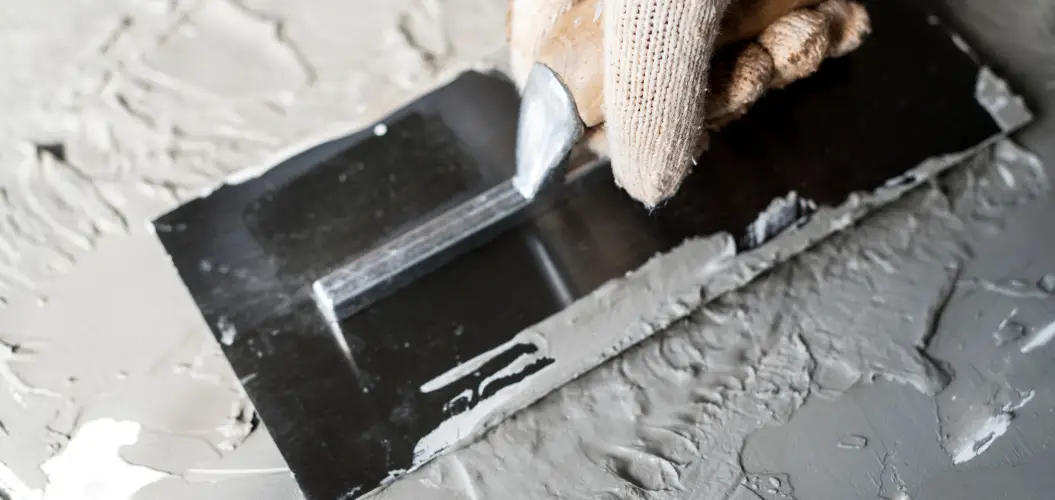
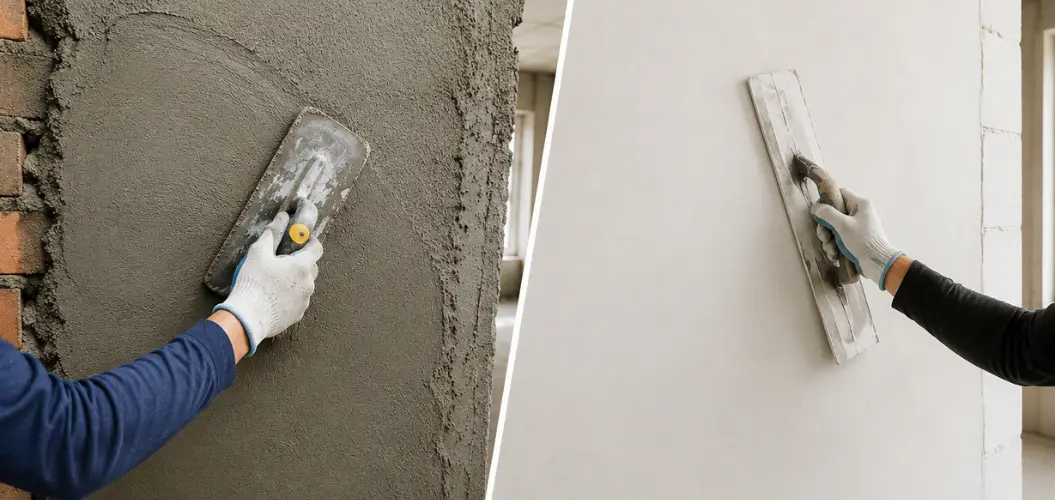
The cement plaster is a mixture of cement, sand, and water to form a hard coating that is used on brickwork or concrete surfaces. It has been widely used in building for decades due to its toughness and weather resistance.
After application, cement plaster creates a tough protective layer that makes the walls tougher while at the same time providing a good surface for painting.
Due to its performance in damp places, cement plaster is mostly used on exterior walls, bathrooms, kitchens, balconies, and basements.
What Is Gypsum Plaster?
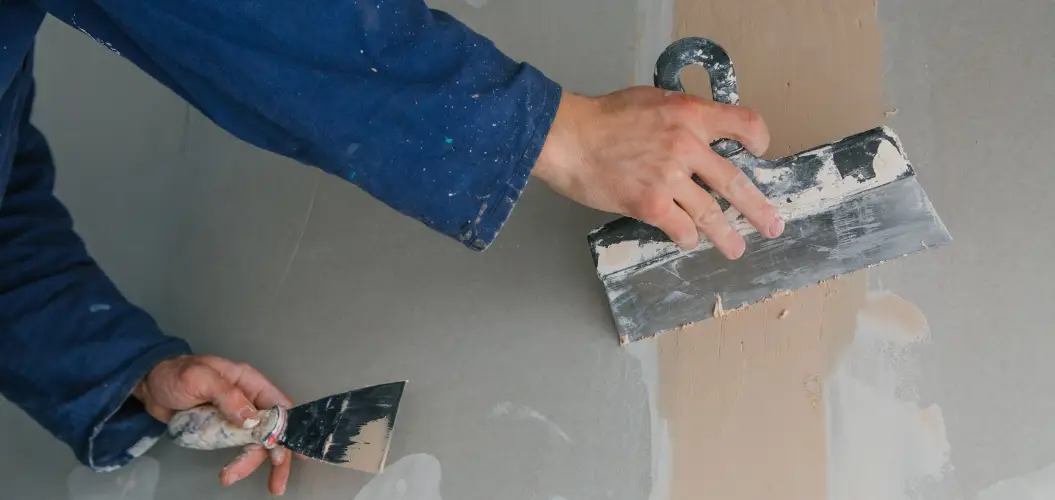
Gypsum plaster is created by mixing gypsum powder with water to form a paste. Contrary to cement plaster, it does not need sand at all and is applied on the surface of walls without any further preparation of the surface itself.
The main advantage of gypsum plaster is that it forms a perfectly smooth surface. In most cases, walls covered by gypsum plaster do not need to be additionally covered with putty before being painted.
Gypsum plaster is usually used only inside rooms and is appropriate for dry surfaces only.
Cement Plaster vs Gypsum Plaster: A Quick Comparison
| Feature | Cement Plaster | Gypsum Plaster |
|---|---|---|
| Composition | Cement, sand and water | Gypsum powder and water |
| Best used for | Interior and exterior walls | Interior walls and ceilings |
| Water resistance | High | Limited |
| Surface finish | Slightly rough | Smooth and uniform |
| Curing required | Yes | No curing required |
| Application time | Longer | Faster |
| Putty requirement | Usually required | Often not required |
| Durability | Excellent in damp conditions | Best for dry indoor spaces |
| Cost | Material cost may be lower, labour time is higher | Slightly higher material cost but faster installation |
Advantages of Cement Plaster
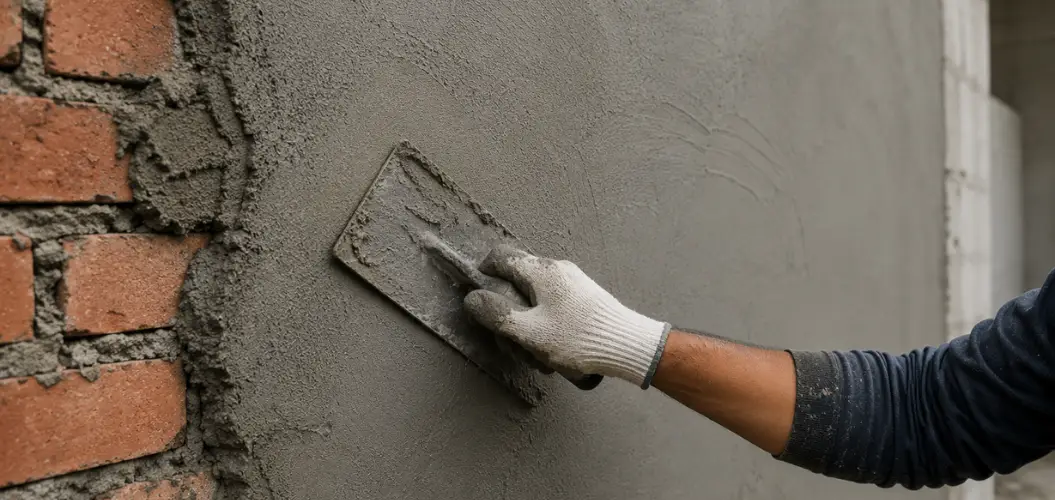
Despite advances in other finishing materials, cement plaster remains one of the most commonly used due to its robust nature and versatility.
A few of its important benefits are as follows:
- Appropriate for both indoor and outdoor use
- Can withstand dampness and moisture conditions
- Highly durable
- Has strong resistance to weather conditions
- Good for use in highly trafficked areas
- Suitable for many types of construction
This makes cement plaster an excellent choice when long-lasting performance is essential.
Benefits of Gypsum Plaster
The use of gypsum plaster has increased in recent times, especially in residential constructions, because of its many advantages.
Some of them are:
- Provides a smooth surface for painting
- Decreases the use of wall putty
- Fast application and fast completion of work
- Has very little shrinkage cracks
- Causes less construction waste
- Is a more efficient method to apply
In interior applications, gypsum plaster can be time-saving and cost-effective, too.
Which One to Pick? Cement Plaster vs Gypsum Plaster
Your choice would depend on the application area and the desired properties of the plaster.
When your building includes exterior surfaces, bathrooms, kitchens, balconies, or other damp places, then the use of cement plaster would be more appropriate. Its strength and moisture resistance make it suitable for these types of applications.
On the contrary, in case you want to plaster your living rooms, bedrooms, dining areas, and ceilings, then gypsum plaster would be preferable. The smoothness of its surface, faster application, and lesser need of additional finishing prior to painting are some of its positive qualities.
In many houses today, these plasters are applied simultaneously. Cement plaster is applied in moisture-exposed or external parts of the house, and gypsum plaster in dry interiors.
Considerations to be Made Before Selecting
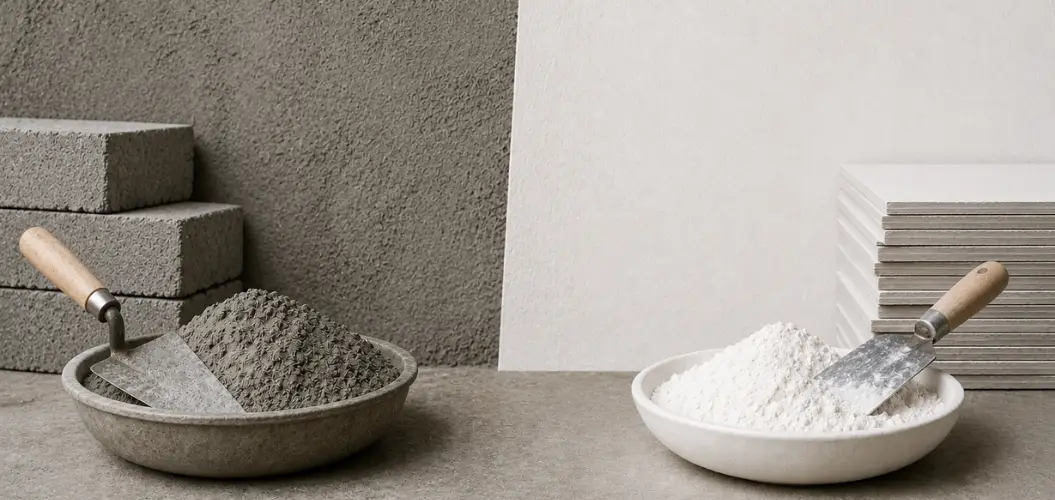
Prior to opting for cement or gypsum plaster, one should consider the broader requirements of the project rather than solely the plaster.
Some of the considerations include:
- Area of application: Different criteria apply to interior and exterior wall plasters.
- Exposure to moisture: In case of moisture exposure, there is a need for plaster that will withstand the moisture.
- Desired finish: The smooth finish can be achieved easily through gypsum plaster.
- Project time: With gypsum plaster, there is rapid setting time which enables fast interior finishing.
- Costs: One needs to consider not only the cost but also the labour required to install the plaster.
- Maintenance: The use of appropriate plaster will minimise future maintenance costs.
Considering the bigger picture is likely to result in a better solution.
Importance of Professional Application
While selecting the right type of plaster is one thing, the way it is applied is just as important.
From surface preparation to mixing ratios to the actual plastering technique and curing, everything affects the performance of the plaster in the long run. In any case, even the most superior material will be unable to produce desired results if it is not properly applied.
Professional painters know which plaster will suit different sections of buildings, depending on many factors, including climatic conditions, the condition of walls, the mode of construction, and finishing needs.
At RS Builders Mohali, we choose every material keeping in view the performance of the entire building. The emphasis is laid on achieving superior finishing through proper construction practices.
Cement plaster or gypsum plaster, whatever the case may be, professional construction services make all the difference.
Conclusion
The comparison of Cement Plaster vs. Gypsum Plaster is not a way of looking for the best plaster among the two. Instead, the right plaster for the job is what matters.
Cement plaster still stands out for use on exterior walls and moist areas. On the other hand, gypsum plaster is ideal for use in dry interior walls.
Knowing the pros of the two materials is key to making sound construction choices. The right plaster, when paired with proper construction services, will definitely bring you results in terms of aesthetics and functionality.
Frequently Asked Questions
- Can cement plaster and gypsum plaster be used in the same building?
Yes. Many buildings use cement plaster for exterior and damp areas, while gypsum plaster is applied to dry interior walls for a smoother finish. - Which plaster requires less maintenance after painting?
When applied correctly, both are durable. However, choosing the right plaster for the right location helps minimise repairs, surface damage, and maintenance over time.
- Does the type of plaster affect paint performance?
Yes. A properly prepared plaster surface improves paint adhesion, creates a more even finish, and helps maintain the appearance of painted walls for longer.
- How do professionals decide which plaster is suitable for a project?
They assess factors such as wall location, moisture exposure, project requirements, construction method, and the desired finish before recommending the most suitable plaster. - Can existing cement-plastered walls be finished with gypsum plaster later?
In some cases, yes. However, the existing surface must be properly assessed and prepared to ensure good bonding and a durable, high-quality finish.