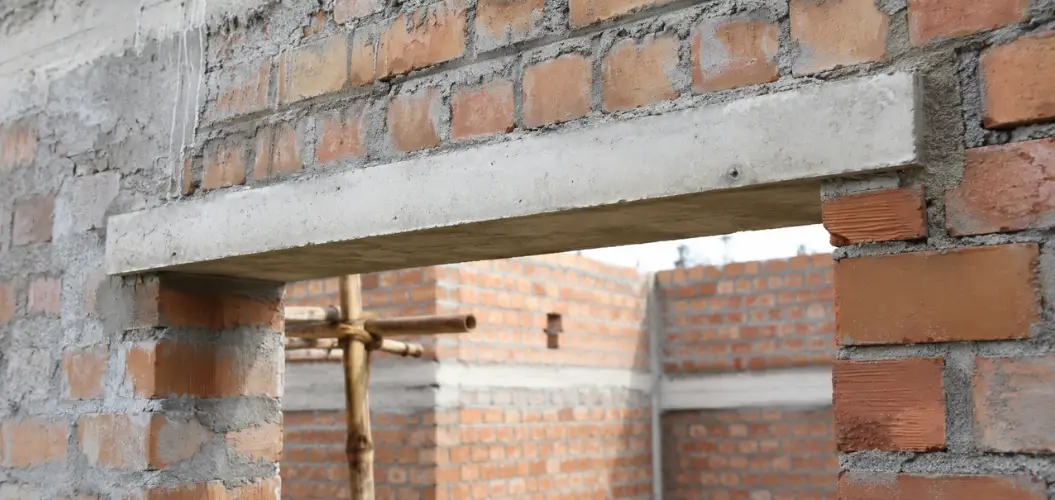
Lintels in construction are horizontal beams placed over doors, windows, and ventilators. They carry the structural load of the wall above.
Inadequate load transfer can lead to openings in your building walls that can become vulnerable to cracking, sagging, or deterioration. Lintels act like a bridge that protects the openings from cracking or collapsing.
What Is the Role of Lintel in Construction?
Any time there is an opening cut into a wall, the weight coming down on the space will have to be transferred elsewhere. And that is precisely the purpose of a lintel: it diverts the weight above onto the sides of the opening so the wall would not be exposed to the stress points.
Whether it is a commercial construction or a residential construction, lintels are the essential elements for load transfer. Choosing a good lintel will ensure the stability of the entire structure, protect the framework from stress, and maintain perfect finishing.
The Significance of Lintels in the Construction Process

While lintels may not always be considered the most vital element in construction, they are essential in ensuring the efficiency of the construction.
Below are some reasons why having a lintel in construction is essential:
- Carries the load above the opening.
- Lessens the load on the door or windows.
- Prevents cracking in weak areas.
- Maintains all elements within the alignment of the walls.
- Ensures large openings without compromising the strength of the structure.
In essence, it helps minimise the structural load problems in the building later on. In design terms, it means the opening can look sharper and feel more intentional. This is why lintels must be designed, not just installed on an ad hoc basis.
Types of Lintels Used in Buildings

There are different kinds of lintels suitable for particular projects, depending on the size of the opening, the load above it, as well as the type of wall and the style of architecture.
1. Timber Lintel
This kind of lintel is one of the earliest forms used by architects in their constructions. It is light and relatively easy to work with. However, it is rarely used in contemporary buildings due to the vulnerability of the material to water, termites, and fire.
2. Stone Lintel
Stone lintels have high compression resistance and can withstand time if installed correctly. This kind of lintel is normally used in buildings designed under the heritage architectural style. The main limitation of a stone lintel is weight. They are heavy and less flexible for many modern layouts.
3. Brick Lintels
Brick lintels can be applied to span narrower gaps and support lighter loads. In addition, these lintels can be compatible with brick walls, and thus may be considered a good choice in situations when a uniform finish is necessary. On the other hand, brick lintels cannot be applied in wider gaps.
4. Reinforced Brick Lintels
Reinforced brick lintels can be viewed as improved brick lintels. Additional reinforcement of lintels will increase their strength and reduce the possibility of cracking. These lintels can be applied if brick structures are provided, although with additional reinforcement.
5. Concrete Lintels
The widespread use of concrete lintels may be explained by their practical properties, versatility and durability. Thus, plain concrete lintels can be applied to cover shorter spans and support lighter loads. On the other hand, reinforced concrete lintels or RCC lintels may be preferable if the size of the opening is larger.
6. Steel Lintels
Steel lintels may be used if a considerable span should be bridged or a reliable reinforcement is needed in a limited space. Such lintels may be quite handy for large-scale and contemporary constructions involving significant architectural elements.
How To Select The Correct Lintel
It is important to note that selecting a lintel is not all about choosing the strongest material.
There are a number of factors to consider:
- The size of the opening: Lintels for bigger openings are often stronger since the weight of the wall will span over a larger distance.
- Weight above the opening: Lintels for heavy walls must be strong enough to bear the load.
- Type of wall: Lintels may differ in terms of the type of wall system they fit into.
- Exposure to weather: Weather conditions might affect their performance in the long run.
- Design requirements: Some lintels need to blend in seamlessly with the building design, while some might need to remain hidden.
This is why proper planning plays a huge role when it comes to constructing a building. Excellence in construction is not achieved through guesswork.
Why We Pay Attention to Details Like Lintels
At RS Builders, we believe the strength of a project is built into the details people never notice at first glance. Lintels are one of those details. They may sit quietly above an opening, but they play a major role in how the building works over time.
When we plan a project, we look at the opening, the load, the wall system and the design together. That helps us create spaces that feel solid, well thought out and aligned with the client’s vision. It also supports the kind of architectural individuality that makes a project feel personal rather than generic.
Takeaway
A lintel in construction may seem small, but it carries a lot of responsibility. It supports openings, provides protection to the wall above, and helps with the stability of the structure for long-term use. Regardless of whether the construction is residential or commercial, having the correct lintel is one of the aspects that contribute to making the build credible and appealing.
Frequently Asked Questions
- What is a lintel in construction?
A lintel is a horizontal support placed above an opening like a door or window. It carries the load above the gap and transfers it safely to the sides.
- Which lintel material is most common?
Reinforced concrete is one of the most common choices because it offers strength, durability and flexibility across many types of residential construction and commercial construction.
- Can lintels help prevent cracks?
Yes. A proper lintel reduces stress around openings, which helps prevent cracks from forming around windows, doors and other gaps in the wall.
- Are lintels only used in load-bearing walls?
No. Lintels can be used in different wall types wherever an opening needs support above it. The size of the opening and the load still matter.
- Do lintels affect the look of a building?
They can. Even when hidden, lintels support cleaner openings and better proportions, which makes the overall finish look more refined and intentional.