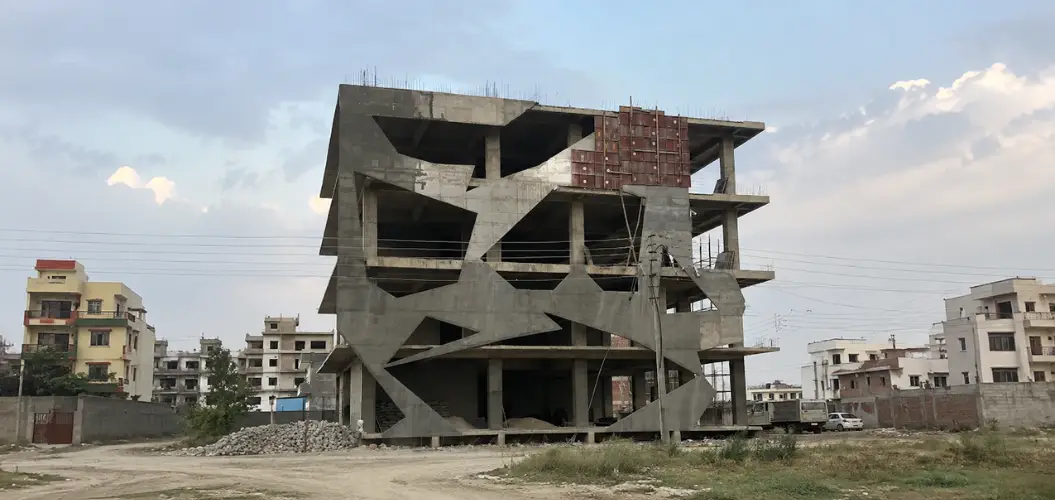
A slab in construction affects the way a space looks, the way it feels, and the way it performs over time. It also decides how much flexibility you have with layout, height, and design. In RCC construction, the slab is reinforced with steel so it can carry load safely and work as part of the building’s main structure.
The slab choice quietly shapes the whole project. A compact home, a wide-open living space, and a balcony all need different thinking. The best slab is not just the strongest one on paper. It is the one that suits the structure, the design, and the life that will happen inside it.
Why Slab Choice Matters
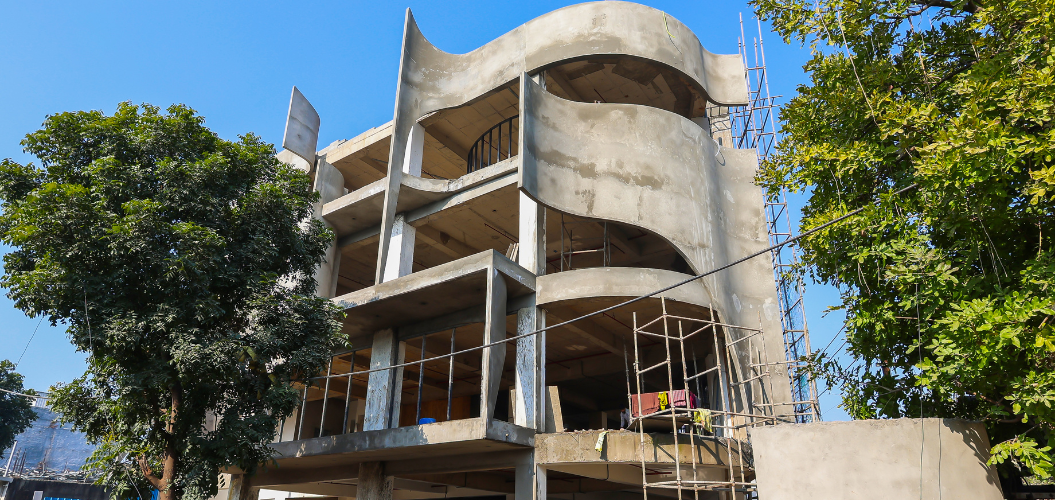
A slab in construction does a lot more than sit between floors. It carries weight, connects the structure, and helps define the space below it. When chosen well, it makes the building feel balanced and practical. When chosen poorly, it can create problems that show up later in cost, comfort, or maintenance.
It also affects the final look of the project. Some slabs are better for open spaces. Some are ideal when a flat ceiling is important. While others are suited for areas such as balconies, bathrooms, or utility rooms. Therefore, before making a choice, it is advisable to be aware of how each slab works.
Common Slabs Used in Construction
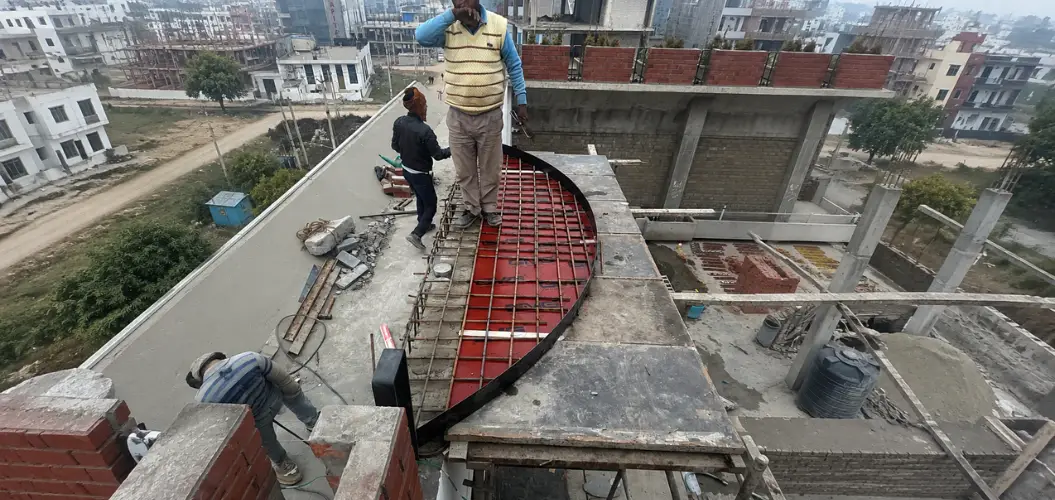
1. One-way slab
The one-way slab rests on two adjacent sides. The result is that the load moves in one direction. One way slabs are appropriate when a space is longer than it is wide. These types of slabs are comparatively easier and a more practical option for simple construction design.
2. Two-way slab
A two-way slab rests on all four sides. It ensures that the load acts in both directions. The space where it can be applied should be almost square. It is a suitable option when the construction requires a more uniform distribution of the load.
3. Flat slab
A flat slab rests directly on columns, without beams. That gives the underside of the ceiling a clean and open appearance.
It is commonly chosen for sites where a well-defined ceiling profile is required, or where additional headroom is essential. Many contemporary commercial buildings tend to prefer this slab type as it gives an expansive appearance and is uncluttered.
4. Ribbed slab and waffle slab
In a ribbed slab, there are ribs or a grid of supporting elements placed beneath a comparatively thin slab in order to decrease weight as well as provide coverage over wider areas. A waffle slab operates on a similar principle, except that it features an intricate gridwork underneath.
Such slabs are common in cases where spans and engineering aesthetics have been incorporated into the design.
5. Hollow core and composite slabs
A hollow-core slab in construction is typically prefabricated, and it is easy to place. It is lightweight and can be put together rapidly. A composite slab is created using steel deck forms along with concrete.
6. Slabs for special areas
Not every slab is meant for a main floor. Some are made for very specific uses.
A slab on grade is poured directly on prepared ground and is often used in garages or storage areas. The sunken slab is one that goes below the floor level, making it suitable for bathrooms and other auxiliary rooms. The cantilever slab is a slab that projects beyond its supporting structures, hence its application in balcony areas.
How to Select the Best Slab
Selecting the best slab does not necessarily mean choosing the latest technology.
Here are a few things we usually look at:
- The span that needs to be covered
- The amount of load the slab must carry
- The shape of the room or structure
- Whether a beam-free ceiling is preferred
- The space needed for services like wiring and plumbing
- The budget and timeline for the project
A small, simple home may only need a conventional slab system. A larger property with bold architecture may benefit from something more specialised. The key is to make the slab work with the design, not against it.
What is the Role of RCC in Slab Construction?
RCC is one of the most widely used slab systems in construction, and for good reason. It combines concrete and steel in such a manner that it is able to handle compression as well as tension very well. As a result, it can be relied upon in different structures such as houses and offices.
It allows architects and designers enough freedom to think of the loads, spans, and finishes without complicating the building structure. In many projects, RCC becomes the practical middle ground between strength and design freedom.
Why the Builder Matters Just as Much
Even the right slab in construction can fall short if it is not planned properly. Slabs need to work with beams, columns, openings, services, and the wider design of the building. That is why experience matters.
At RS Builders, we approach these decisions with both structure and style in mind. Many clients today want more than a safe, functional building. They want a space that feels personal, polished, and architecturally distinct. The slab plays a quiet but important role in making that happen.
When slab planning is done early and done well, the rest of the project usually becomes smoother. The ceilings feel cleaner. The layout feels more natural. And the building starts to feel intentional, which makes a real difference in the final result.
Final Thoughts
There is no single best slab for every construction project. A one-way slab may be the right fit for one building, while a flat slab or cantilever slab may suit another far better. The answer depends on the load, the span, the design, and the experience you want the space to create.
If you are planning a project, the slab is worth careful attention from the start. It may not be the most visible part of the structure, but it often has one of the biggest effects. And when it is chosen wisely, everything above it tends to work better too.
Frequently Asked Questions
- Can the slab type affect future renovation plans?
Yes. Some slab systems make it easier to modify layouts, add openings, or change interiors later. Planning this early can help if future expansion or redesign is expected.
- Which slab type is usually better for reducing construction noise?
Heavier slab systems generally help reduce sound transfer between floors. This becomes especially important in duplex homes, offices, or multi-family buildings.
- Do slab choices impact natural lighting inside a building?
Indirectly, yes. Certain slab systems allow wider spans and fewer beams, which can support larger windows and more open layouts that improve natural light flow.
- Is waterproofing connected to slab design?
Very much. Areas like terraces, balconies, and bathrooms require careful slab detailing to support proper drainage and waterproofing performance over time.
- Should slab selection change based on climate conditions?
In many cases, yes. Temperature changes, moisture levels, and heavy rainfall can influence expansion, durability, and long-term slab performance, especially in exposed areas.