If construction were only about bricks, concrete, and labour, projects would be simpler. The real challenge is that a project is basically a long chain of decisions. And the chain breaks when decisions don’t come on time, don’t reach the right people, or don’t get recorded properly.
Most projects don’t derail because someone didn’t work hard enough. They derail because the site is waiting. Waiting for a drawing revision. Waiting for a vendor confirmation. Waiting for a go-ahead on a change. And while the site waits, costs don’t pause. Labour doesn’t pause. Timelines definitely don’t pause.
That’s why construction management has started to matter a lot more in India. Not as a fancy add-on, but as a way to keep the project from wobbling every time something small changes. And something always changes.
Even in a simple home build, you’ve got multiple teams overlapping. Civil work, electrical, plumbing, waterproofing, flooring, fabrication, and finishing. If coordination is weak, you get rework. If rework becomes routine, the project quietly turns into a longer, costlier version of itself.
What Is Construction Management?
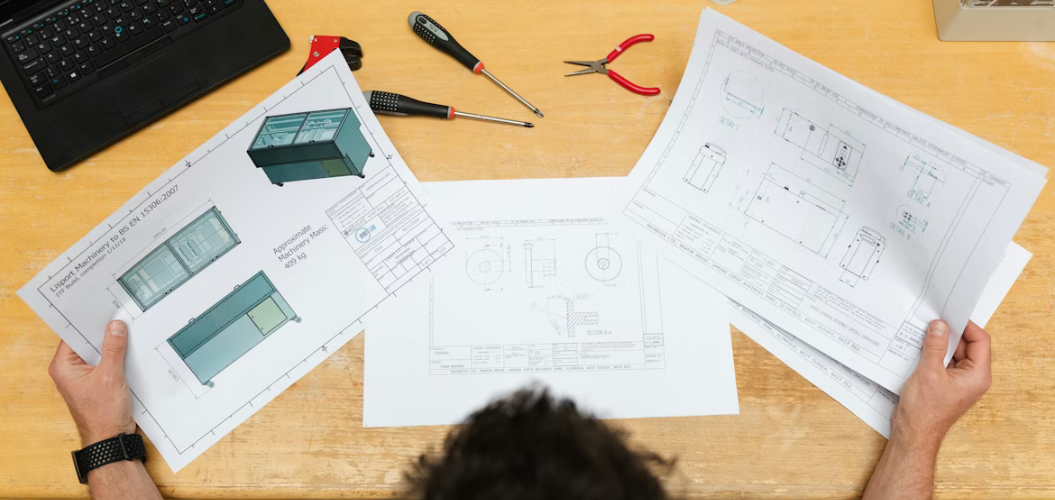
Construction management is the practical discipline of keeping a project organised from start to finish. It’s planning, coordination, tracking, and decision control, all rolled into one.
People often confuse it with “site supervision”. Supervision is important, but it’s usually focused on what’s happening today. Construction management also looks ahead. It asks, “What is going to block us next week?” and “What will this decision affect two months from now?”
A construction manager isn’t just checking quality on site. They’re also making sure the right people are talking to each other at the right time. Drawings, vendors, timelines, approvals, budgets, sequencing, it all needs to align. When it doesn’t align, the site starts improvising. Improvisation is sometimes necessary, but it shouldn’t be the default system.
So, in plain language: construction management is what prevents a project from running on luck.
Key Roles And Responsibilities In Construction Management
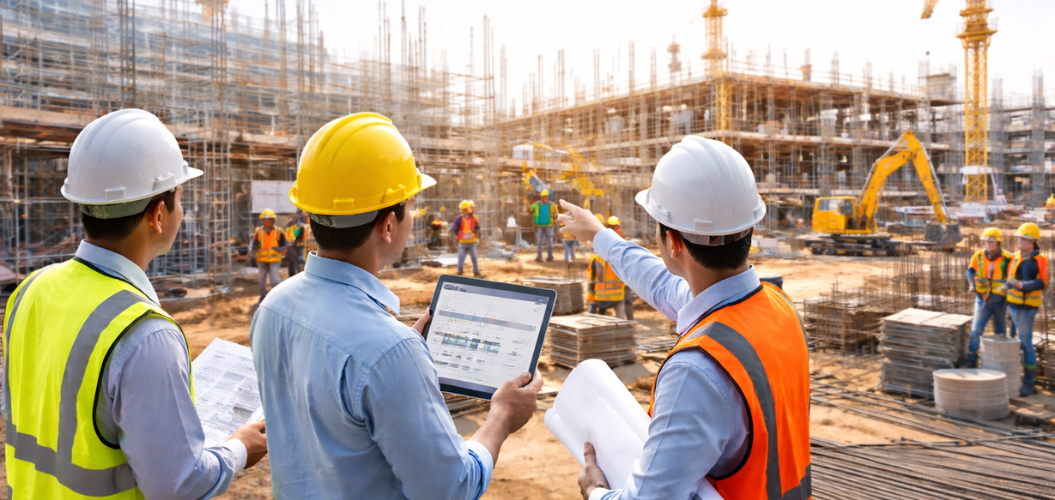
On paper, responsibilities look neat. On-site, they mix into each other. Still, a few responsibilities show up in almost every project, no matter the size.
- Planning and scheduling: Not the kind of schedule that looks beautiful in a spreadsheet, the kind that actually considers deliveries, curing time, lead times, and trade overlap.
- Cost control: Not just “budgeting”, but tracking where money is going and noticing early when something is drifting.
- Coordination: Between architects, engineers, contractors, subcontractors, suppliers, and the client. Most delays are coordination delays.
- Quality control: Checking work at the right stage. After tiles are installed is not the time to discover waterproofing issues.
- Risk management: Spotting typical trouble points early. Soil conditions, monsoon timing, change orders, vendor delays, design gaps.
Construction management is basically a constant effort to reduce “unknowns”. The fewer unknowns you carry into execution, the smoother your site feels.
The Construction Management Process: From Planning To Handover
Construction management starts earlier than people think. If it begins only after excavation, you’ve already missed a big chance to prevent problems.
Most projects move through a familiar rhythm:
- Pre-construction planning: Scope clarity, design coordination, realistic timelines, vendor finalisation, approvals, and setting standards for execution. This is where you avoid confusion later.
- Execution and coordination: Making sure work starts in the right order, and teams don’t block each other. A site can’t run on “we’ll manage”.
- Monitoring and reporting: Tracking progress, costs, and quality. Not occasional updates, but consistent checks that catch drift early.
- Managing changes: Because changes happen. The point is not to pretend they won’t. The point is to manage them without chaos.
- Final inspections and handover: Snag lists, testing, finishing checks, documentation, and ensuring the site is actually ready to use, not just looks done.
When this process is handled well, the project doesn’t feel like a daily emergency. It feels like steady progress.
How Construction Management Keeps Projects On Track
Here’s the honest truth: most “delays” aren’t one big delay. They’re ten small ones, stacked.
Construction management keeps projects on track by doing the unglamorous work that prevents stacking:
- It forces decisions early, when they’re easier to implement.
- It reduces rework by coordinating drawings, services, and site sequence.
- It keeps communication clear so people aren’t working off assumptions.
- It links payments, work stages, and deliverables so progress is measurable.
Also, good construction management protects momentum. Once a site loses momentum, everything becomes harder. Labour becomes inconsistent. Vendors stop prioritising deliveries. Teams start blaming each other. Getting momentum back costs more than people expect.
Benefits Of Construction Management For Clients
Clients usually don’t want to become construction experts. They just want their project delivered properly, without daily stress.
Construction management helps clients because it creates predictability.
- Better cost visibility: Clients understand where money is going and what changes will actually cost before committing.
- Fewer surprises: Issues are raised early instead of being hidden until the last minute.
- More consistent quality: Work is checked at the right stages, not after finishes hide the real problems.
- Clearer decisions: Clients get structured updates, not scattered information from different people.
And there’s a quieter benefit: clients feel in control without needing to micromanage. That’s the sweet spot.
The Role Of An Experienced Construction Company
Construction management is not just a checklist. It needs experience behind it. Otherwise, it becomes a lot of documentation with very little real control.
An experienced construction company knows where projects tend to slip. It knows what trades usually conflict. It understands local site realities, approvals, labour availability, vendor reliability, and sequencing pressures. These things don’t always appear in a plan, but they affect every plan.
At RS Builders, construction management is treated as part of execution discipline. It’s not separate from the build. It’s the method that keeps the build predictable. Under the leadership of Ravijeet Singh, the emphasis stays on planning clarity and on-ground coordination because those are usually the difference between a smooth site and a stressful one.
That combination of process plus experience is what makes construction management actually work in real conditions.
Why Construction Management Is Becoming Essential In Modern Projects
Modern projects are not forgiving. Clients expect timelines to hold. Regulations demand compliance. Quality expectations are higher. And there are more services packed into buildings than ever before.
Construction management supports this shift by keeping:
- Coordination tighter
- Information clearer
- Responsibility defined
- Decisions timely
As construction becomes more layered, relying on “experience alone” becomes risky. You need experience, but you also need structure.
Final Thoughts
Construction is a moving machine. People, materials, timelines, approvals, design decisions, everything is moving at once.
Construction management is what keeps that machine from shaking itself apart. It doesn’t eliminate problems. It keeps them from becoming disasters. It creates clarity when construction naturally tends toward confusion.
Whether it’s a home project or a commercial build, good construction management usually shows up in simple ways: fewer surprises, steadier progress, better finishes, and a client who doesn’t feel exhausted by the end of it.
That’s the real goal. Not just finishing. Finishing well.