Most home-building conversations start with design. That’s normal. We all picture the elevation, the living room, the kitchen island, and the feel of the home. But once the excitement settles, what really decides whether your house stays solid and low-maintenance is the building materials you choose under the design.
Indian homes don’t live in a gentle environment. A material that looks perfect in the first year can start showing its real behavior in year three or year five.
If you want long-lasting Indian houses, material choices need to be made with a “how will this behave later?” mindset. Design can make a home beautiful. Materials make it reliable.
Understanding Indian Conditions Before Choosing Materials
 One mistake homeowners make is choosing materials because they look premium or because they worked in someone else’s home. Indian conditions vary a lot, but there are a few stresses most houses face in some form.
Heat and moisture are the big ones. Heat causes expansion and shrinkage. Moisture causes seepage, dampness, corrosion, and surface breakdown. Add dust and pollution, and you get finishes that age faster than expected.
This is why “good material” is not a universal label. The right Building material for your house are the ones that suit your climate, your usage, and your maintenance tolerance. When you select with that in mind, you automatically reduce future repairs and the kind of slow deterioration that makes a home feel older than it is.
Structural Materials That Define Longevity

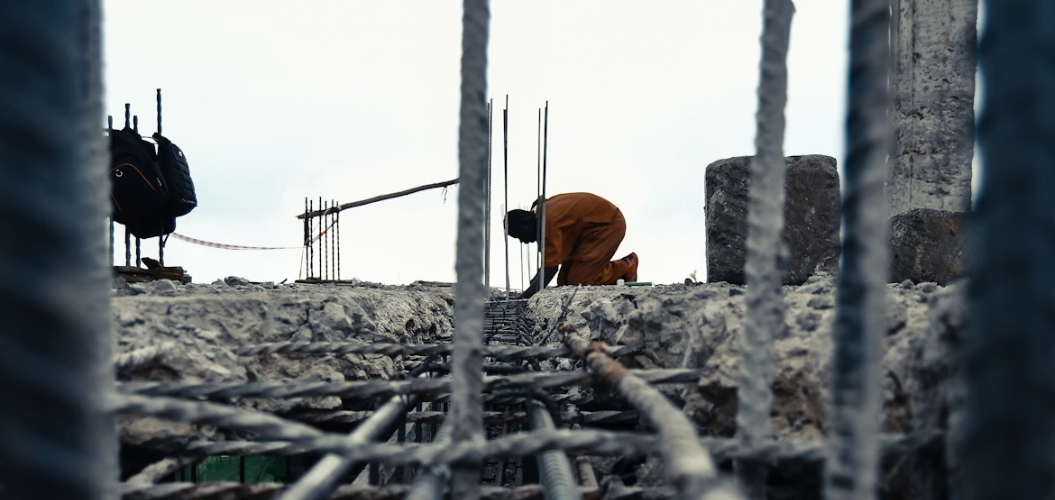
If there’s one place where you should not compromise, it’s structure. The foundation, RCC framework, slabs, and reinforcement are not things you can conveniently redo later. Once they’re done, they carry everything, literally.
Strong structural performance comes from a few basics done properly: good concrete quality, correct reinforcement steel, the right mix, proper placement, and proper curing. When any of these are rushed or diluted, the house may still “stand,” but you might start noticing issues later, hairline cracks that keep returning, seepage that appears after a couple of monsoons, or parts of the structure that don’t feel as stable as they should.
Structural problems don’t usually announce themselves immediately. They build slowly. That’s why we always tell homeowners: spend your energy here first. It’s the core of long-lasting Indian houses.
Wall Construction Materials for Indian Houses
Walls are often treated like a simple choice: “brick or block?” But walls do more work than people realize. They affect indoor temperature, noise comfort, and even how often you’ll deal with cracks and surface repairs.
Common wall systems used in Indian houses include:
- Burnt clay brick masonry
- Concrete blocks
- AAC blocks and other lightweight block systems
Each option can work well. The bigger question is what suits your location, your structure, and the comfort level you expect inside the house. Lightweight blocks can help with thermal comfort, bricks are familiar and strong, and concrete blocks offer uniformity, but the real difference often comes down to execution.
Roofing Materials That Handle Indian Weather
Roofs are where Indian weather hits the hardest. They take direct sun for months, then heavy rain, then humidity, then again heat. If roofing decisions are weak, the problems don’t stay on the roof. They travel into ceilings, walls, electrical points, and interiors.
Most Indian homes use RCC slabs, and that can be a great system when it’s planned and protected properly. The key is not only the slab. It’s waterproofing, slope, drainage, and heat control.
A roof that manages heat and water well is one of the strongest contributors to long-lasting Indian houses, and it saves a lot of money and frustration later.
Flooring Materials That Age Well Over Time
Flooring is one of the few parts of a home you interact with constantly. You walk on it all day, move things on it, clean it, spill on it, and expect it to look decent for years. So when flooring is chosen only for looks, regret tends to arrive early.
A flooring material needs to handle real life. It should resist scratches and stains reasonably well. It should be easy to clean without special care. And it should not start looking tired too soon, especially in high-use zones like living rooms, kitchens, corridors, and entrances.
Durable flooring choices may not always be the most “Instagram-friendly,” but they’re the ones that keep your house feeling well-kept without constant maintenance. That’s a big part of selecting the right building materials overall.
Doors, Windows, and External Openings
Doors and windows look simple, but they’re where many long-term issues begin, especially in Indian conditions. These openings face dust, heat, rain, and sometimes strong wind. If the material choice is poor or the installation is sloppy, you’ll deal with gaps, seepage, noise intrusion, or corrosion over time.
Good doors and windows support ventilation, indoor comfort, and security. But beyond the material itself, sealing and fitting quality make a huge difference. A well-made window can still leak if it’s not installed properly. And a “decent” window can perform very well if the detailing and sealing are done right.
For long-lasting Indian houses, external openings should be selected like performance components. They’re not only décor items.
Finishes and Protective Materials That Extend Life
Many homeowners treat finishes as the “final look” of the home. But finishes are not just visual. They protect. A good protective system keeps moisture out, reduces surface cracks, and slows down weathering.
Key protective decisions include:
- Waterproofing systems for roofs and wet areas
- Exterior coatings that resist weather and pollution
- Plaster quality that reduces cracking and dampness
A lot of common problems like peeling paint, damp corners, salt deposits, or recurring cracks come from weak finishing systems, not from weak structure. When protective layers are handled carefully, the entire home ages better, inside and out.
That’s why finishes deserve serious attention in any discussion about building materials.
Choosing Materials With the Right Execution Partner
Here’s the part people don’t like hearing, but it’s true: the best building materials can still fail if execution is weak. Good materials need correct sequencing, correct curing, proper detailing, and consistent supervision.
At RS Builders, we look at materials and execution together, not separately. If a material suits Indian conditions but needs careful application, we plan for that. If a finish needs protection in specific weather phases, we schedule accordingly. That long-term approach is what supports durability, not just specifications on paper.
Long-lasting Indian houses come from a combination of the right materials and disciplined work on site. One without the other rarely holds up.
Building Homes That Stand the Test of Time
A house that lasts is usually not the one with the fanciest interiors. It’s the one with strong fundamentals. A reliable structure, walls that perform well, a roof that stays dry and cool, flooring that doesn’t demand constant care, openings that seal properly, and finishes that protect rather than just decorate.
If you’re building with the goal of long-lasting Indian houses, keep material selection practical and performance-led. Choose building materials that suit your climate and your lifestyle, and make sure execution supports those choices properly. When that alignment is in place, your home stays comfortable, stable, and easier to maintain for years, which is what most homeowners actually want.