DPC in construction serves a simple purpose: stopping moisture before it becomes a problem. That might sound like a minor issue, but this small protective layer can make a significant difference to the lifespan, appearance, and overall performance of a building. Whether it is a home, commercial property, or large-scale development, damp protection is something that should never be overlooked.
What Is A Damp Proof Course?
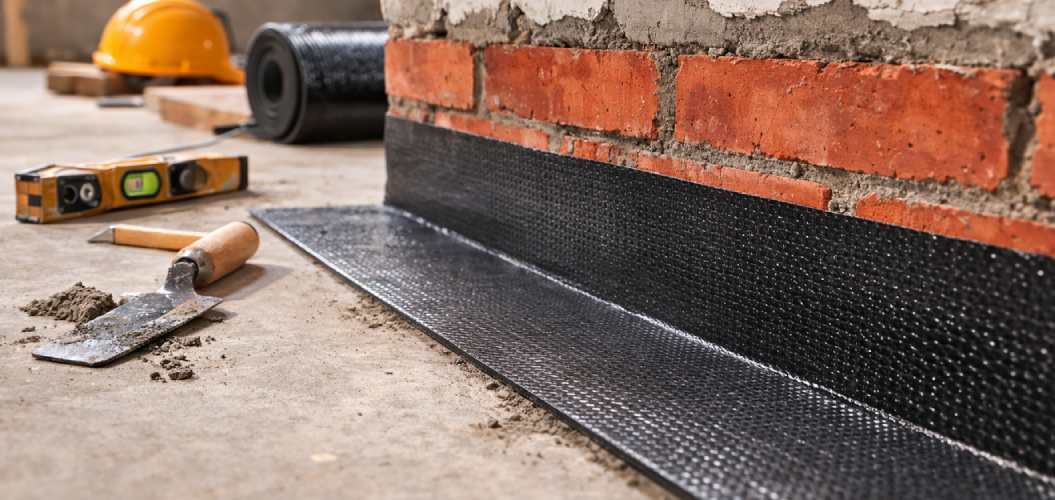
A damp proof course, or DPC, is a type of layer incorporated in a wall or floor construction, preventing moisture within it. Put simply, it blocks the passage of moisture through capillaries, which is considered one of the major factors behind dampness in houses.
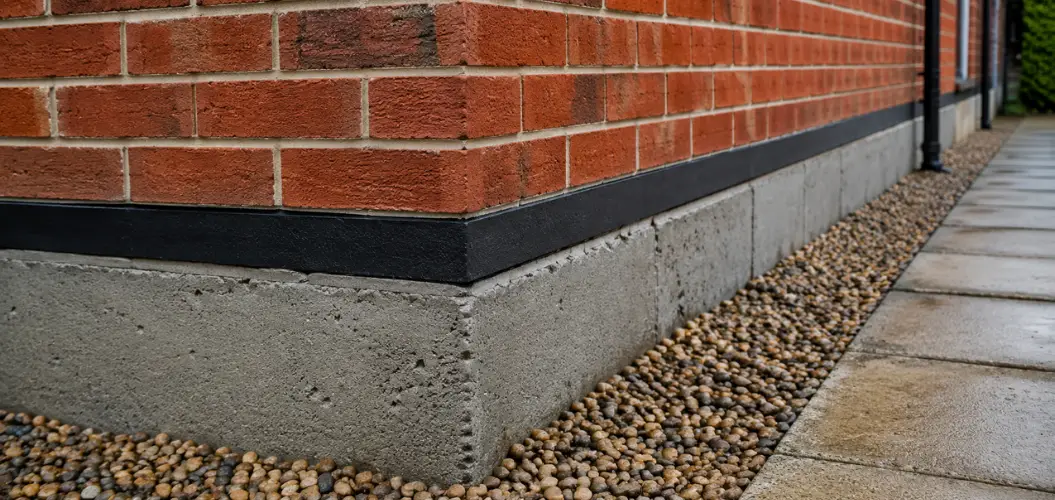
A damp proof course is generally applied at the bottom part of walls near the ground. It serves to block the flow of moisture and prevent its gradual absorption by a wall, which might cause damp stains, fungi growth, salt buildup, or cracking of plaster in the future.
Why DPC in Construction Is Important
Moisture might not appear to be an important aspect at first, but as soon as it gets inside the building, it will be difficult to get rid of it. This element will influence comfort, aesthetics, and durability. Thus, the importance of DPC in construction services goes beyond a technical aspect.
The use of an appropriate DPC allows for achieving:
- Prevention of rising damp
- Protection of walls against damage
- Reduction in mold and mildew occurrence
- Structure durability support
Types of DPC
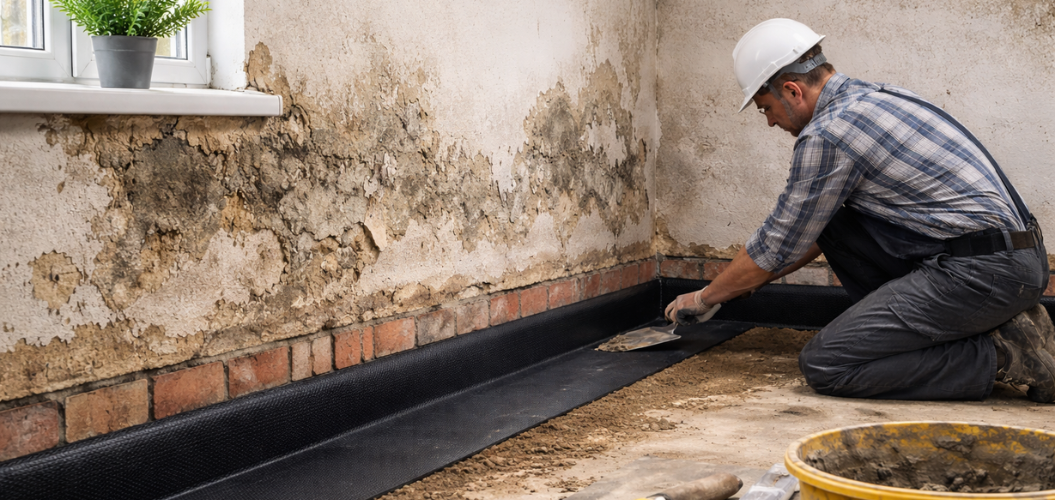
Due to various factors like structural design and location of a building, different DPCs may be required.
1. Membrane DPC
Membrane DPC is among the most common types of DPCs. It makes use of plastic sheets made up of materials such as bitumen felt, polythene, or plastic to create a moisture barrier. It is used due to its simplicity, effectiveness, and convenience to install.
2. Rigid DPC
Materials like slate, engineering bricks, and compacted concrete can be used for rigid DPCs. These materials are not flexible, yet they make effective moisture barriers depending on the nature of the walls. They are normally selected where a very sturdy and durable barrier is required.
3. Chemical DPC
This type involves injecting a chemical solution into the wall to form a moisture barrier. It is often used in repairs or when an existing building has damp issues. It can be useful in renovation work where a physical barrier is difficult to install.
4. Integral DPC
In this method, waterproofing compounds are added directly to the concrete or mortar mix. The protection becomes part of the material itself. This can be useful in specific structural conditions, especially where a more built-in form of damp resistance is preferred.
Where Is DPC Applied?
DPC can be installed where there is an increased risk of water infiltration into the structure. This could differ depending on the design of the building, but it will remain essentially the same – installation of a protective layer against rising damp.
Common locations include:
- At the bottom of exterior walls
- Underground floors
- Underneath window openings in some designs
- In the basement walls
- Anywhere moisture from the ground might reach the structure
In any properly designed construction, a DPC system works behind the scenes. In fact, after completion of the project, nobody ever thinks about it, and that is a good indication that it has done its job right.
How the DPC Helps with Construction
The damp proof course does not simply help keep water out, but is crucial in helping maintain the quality of the other parts of construction. If water is allowed to go upwards into the walls, it would mean that there would be some damage to the plastering, painting, woodwork, floor, and interior of the building.
Why It Is Important:
- Protects the appearance of walls from any damage.
- Prevents any future expenses on maintenance and repairs.
- Promotes comfort within a building.
- Increases the lifespan of buildings.
When it comes to construction services, these points are considered important due to their impact on the overall quality of construction and customer satisfaction.
Problems With Inadequate DPC
Where there is an absence or failure of installation of DPC, the consequences might take time to make themselves apparent, but when they do, they are difficult to overlook.
The symptoms of any damp problem might include any of the following:
- Paint peeling off
- Wall salts
- Wet patches on the floor
- Fungal activity
- Damaged plastering
The most frustrating part about these symptoms is that they can recur in a vicious circle if the root cause is not addressed.
Importance Of Proper Planning On Site
DPC may sound like a small part of the structure, but it needs careful placement and coordination with the rest of the work. The material, height, and detailing all have to match the site conditions and wall system.
At RS Builders Mohali, we treat these decisions as part of the build, not separate from it. Good construction is not only about speed. It is also about understanding what keeps a structure sound in the long run.
The real work of construction often lies in these less visible layers, the ones that protect the building long after the last coat of paint has dried.
Conclusion
Hidden inside the structure, a damp-proof course plays a significant role in construction. It prevents the moisture from moving into the wall and ensures that the building is protected. It proves that effective structures do not consist just of cement and bricks. There are several significant factors that are responsible for preventing any damage beforehand.
At the end of the day, a well-built structure is not only about what people see. It is also about what quietly keeps it safe.
Frequently Asked Questions
1. At what height should a DPC be installed?
A DPC is typically installed above ground level to prevent moisture from rising into walls and affecting internal finishes or structural elements.
2. Can a building have damp problems even with a DPC?
Yes. Damp can still occur due to poor installation, damaged membranes, plumbing leaks, condensation or water penetration from external sources.
3. Which material is commonly used for damp proof courses?
Bituminous felt, polyethylene sheets, PVC membranes and engineering bricks are among the most commonly used materials for DPC installation.
4. Is DPC required for residential and commercial buildings?
Yes. Damp protection is important for both residential and commercial structures as moisture can affect durability, appearance and maintenance requirements.
5. Can a DPC be added to an existing building?
Yes. Chemical injection methods and other remedial solutions can be used to introduce damp protection in buildings where a DPC is missing or has failed.