On the outside, a structure may appear finished, but on the inside, it may feel incomplete. That’s because real functionality comes from what you don’t see. MEP in construction covers the mechanical, electrical, and plumbing systems that make a space livable and workable. They control air and temperature, power everything from lighting to lifts, and move water in and out safely. If these systems are planned late or executed poorly, problems show up quickly. If they’re coordinated well from day one, the building simply runs smoothly.
What Does MEP Mean in Construction?
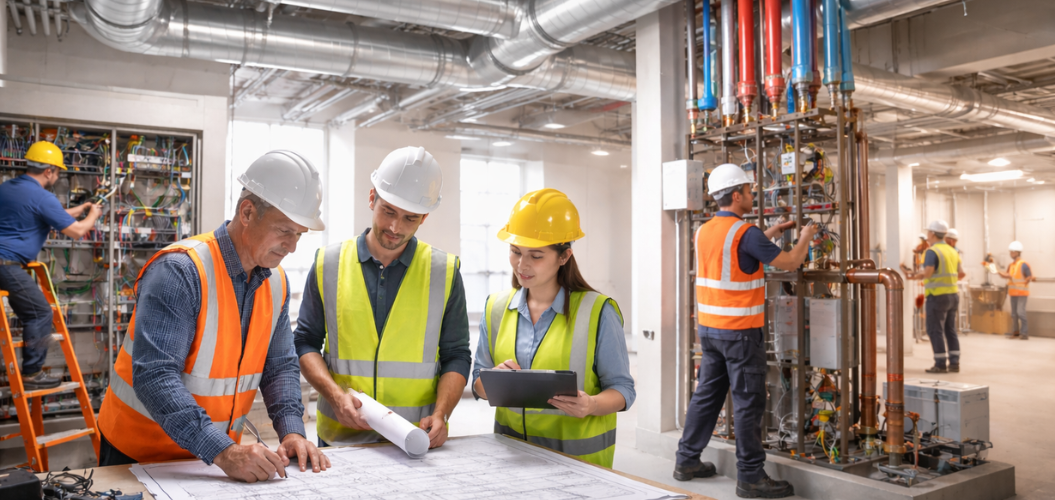
The term MEP in construction stands for Mechanical, Electrical, and Plumbing. These three disciplines work together to make sure buildings operate safely, comfortably, and efficiently.
Each system has its own purpose:
- Mechanical systems manage air movement, cooling, ventilation, and sometimes heating.
- Electrical systems handle power distribution, lighting, safety systems, and communication lines.
- Plumbing systems manage clean water supply, drainage, sewage, and stormwater flow.
The important thing is that they do not exist in isolation. Mechanical ducts need ceiling space. Electrical conduits run through walls and slabs. Plumbing routes depend on slope and access. If they are designed separately, clashes show up on site, and that’s when time and money start slipping.
That’s why MEP planning is usually started early, alongside architectural and structural design. It keeps the building workable, not just buildable.
Mechanical Systems in Construction (HVAC & Environmental Control)
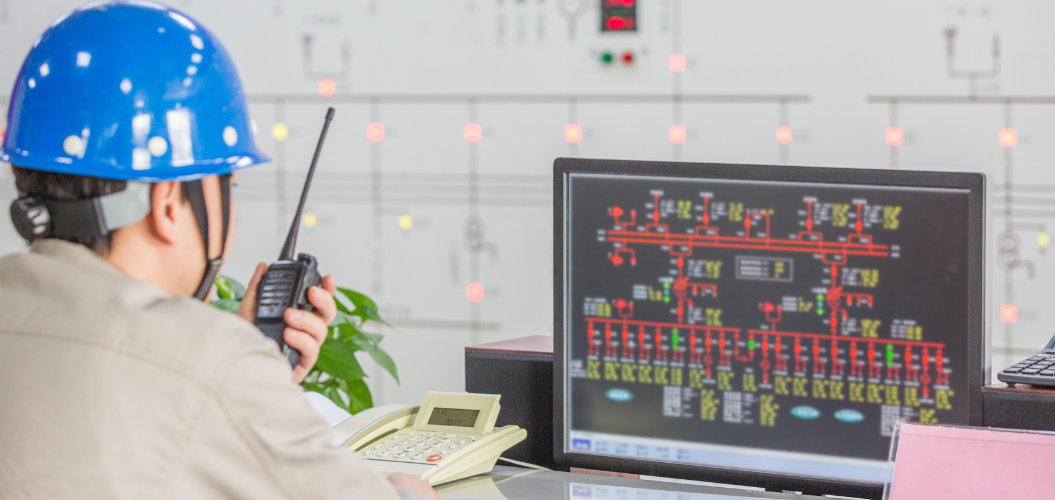
Mechanical systems are what make indoor spaces feel breathable and comfortable. They don’t just cool a room. They control airflow, remove stale air, and help maintain healthier indoor conditions.
Typical mechanical systems include:
- Ventilation systems that bring fresh air in and push stale air out
- Air conditioning systems that manage temperature and humidity
- Exhaust systems for toilets, kitchens, and utility areas
- Heating systems in projects where winter comfort is a requirement
Most people experience mechanical systems through HVAC. If HVAC is designed well, you don’t notice it much. You just feel comfortable. If it’s poorly planned, you notice hot spots, noisy ducts, stuffy corners, and rising electricity bills.
Mechanical planning also affects long-term maintenance in a commercial construction project. A system that is hard to access will cost more to maintain, even if it works well initially.
Electrical Systems in Construction
A building can have the best design and finishes, but without reliable power, it stops functioning properly. Electrical systems support everything people depend on daily.
Electrical infrastructure generally includes:
- Power distribution from the main panel to different zones
- Lighting systems for workspaces, homes, corridors, and outdoor areas
- Backup power through generators or UPS where required
- Fire alarms and safety systems
- Data and communication networks for internet, CCTV, and access control
Good electrical planning is not only about “enough points.” It is about load planning, safe routing, future upgrades, and clear zoning. Many buildings later add equipment, automation, or additional appliances. If the electrical design is tight and flexible, upgrades become manageable instead of disruptive.
Most electrical problems become visible only after occupancy, which is why early planning matters.
Plumbing Systems in Construction
Plumbing is one of those things people only talk about when something goes wrong. A leak. Bad water pressure. Drainage smell. These are usually signs of poor planning or rushed execution.
Well-designed Plumbing systems cover:
- Water supply lines for kitchens, bathrooms, and utility points
- Drainage and sewage systems that move wastewater safely
- Stormwater management to handle rainwater runoff
- Hot water distribution where geysers or central systems are used
Plumbing is sensitive because gravity plays a big role. Drainage pipes need proper slope and correct placement. If routing is forced later because of space clashes, issues show up during use.
Good plumbing also depends on access. If clean-outs and inspection points are not planned properly, even small problems become difficult to fix later.
Why MEP Coordination Is Critical in Construction Projects
MEP systems share the same building space, which means coordination is not optional. Ducts, pipes, conduits, shafts, and structural elements all compete for room.
Common site-level problems include:
- Ducts clashing with beams
- Pipes crossing main electrical routes
- Not enough ceiling clearance for services
- Service shafts not aligned properly across floors
If these issues are discovered mid-execution, teams either stop work or improvise. Both options cost time.
This is why digital coordination tools like BIM are becoming common. Building Information Modeling helps teams visualise service routing, detect clashes early, and finalise layouts before site work reaches that stage.
Coordination is what keeps MEP installation neat, accessible, and reliable.
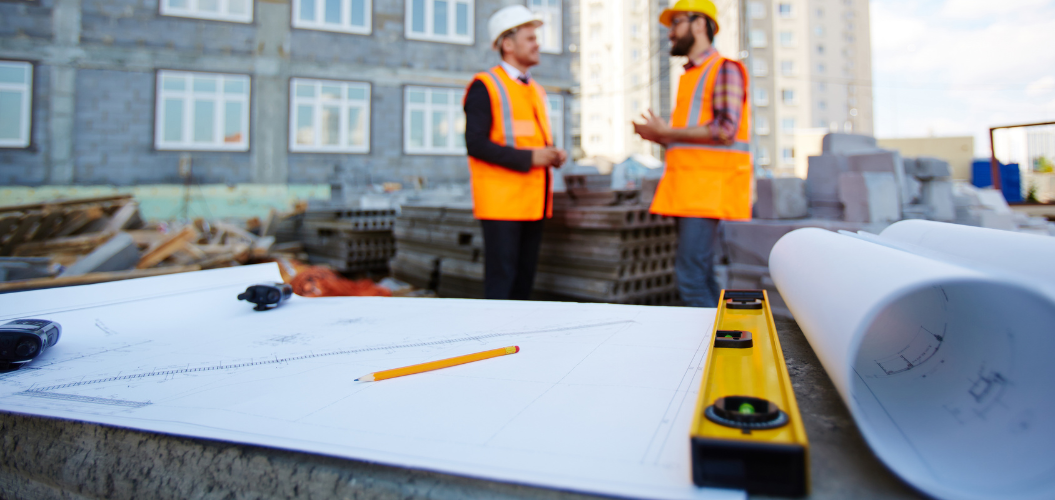
Role of Experienced Builders in Managing MEP Systems
MEP design can look perfect on drawings and still fail if execution is sloppy. Installation quality depends on coordination, sequencing, and supervision.
Experienced builders typically focus on:
- Correct routing and spacing
- Clean service coordination with structural and interior teams
- Access planning for maintenance
- On-site checks before covering services with finishes
This is where execution-driven teams matter. In many projects, professional firms talk about structured coordination because service mistakes are expensive once ceilings and walls are closed. Professionals like Ravijeet Singh often stress that a building’s real quality is tested after handover, when systems start running daily.
MEP is not just installed. It needs to be installed thoughtfully.
Common MEP Challenges in Construction Projects
MEP problems often come from rushed decisions or poor coordination rather than bad materials.
Common challenges include:
- Service clashes due to incomplete coordination
- Wrong routing because on-site teams are forced to improvise
- Insufficient service space in ceilings or shafts
- Poor installation practices leading to leaks, noise, or performance issues
What makes MEP issues difficult is timing. Many faults appear only after occupancy. At that stage, repairs can disrupt interiors, operations, and daily life.
Strong planning and supervision reduce these risks significantly.
Conclusion
A building doesn’t feel good because it has expensive finishes. It feels good when it functions without friction. That’s exactly what MEP in construction affects. Mechanical systems keep air and temperature comfortable. The building is powered and kept secure by electrical systems. Plumbing systems ensure that drainage functions quietly and water flows cleanly.
The building functions well and is easier to maintain when MEP is planned ahead of time and carried out with care. When it’s handled like a last-minute layer, problems arise fast and become expensive to fix. At RS Builders, every construction project is aligned with this exact mindset from the start. The focus stays on coordinated planning, clean execution, and systems that keep performing long after handover, not just on day one.
Frequently Asked Questions
- Why is MEP important in building construction?
MEP systems manage ventilation, power supply, lighting, water supply, drainage, and fire safety, making them essential for building functionality and efficiency. - Which is better, MEP or BIM?
MEP and BIM serve different purposes in construction. MEP focuses on mechanical, electrical, and plumbing systems, while BIM (Building Information Modeling) is a digital technology used to design, visualize, and manage building data, including MEP systems. - What is MEP & HVAC?
MEP stands for Mechanical, Electrical, and Plumbing systems in construction. HVAC (Heating, Ventilation, and Air Conditioning) is part of the mechanical system within MEP that controls indoor temperature, air quality, and ventilation for comfortable living and working spaces. - What are electrical systems in MEP?
Electrical systems include power distribution, lighting, wiring, backup systems, and communication networks that support all electrical operations in a building. - What does plumbing cover in MEP systems?
Plumbing includes water supply, drainage systems, sewage lines, and piping systems that ensure proper water flow and sanitation in a building.