Most projects don’t blow the budget because someone made one terrible decision. It usually happens in slow motion. A few extra changes, a few delays, a few “we’ll fix it later” moments, and suddenly the cost has moved far beyond what was expected.
What people often miss is that overruns are not always about expensive materials. They’re often about how the site runs day to day. When planning is incomplete, when the scope is unclear, when trades are not aligned, money starts leaking in small amounts. You don’t notice it immediately because each item looks minor on its own. But combined, these minor items become the budget problem.
At RS Builders, we see this pattern repeatedly. Projects stay financially stable when execution is stable. Costs usually rise when execution becomes reactive.
Planning Before Construction Begins Saves The Most Money
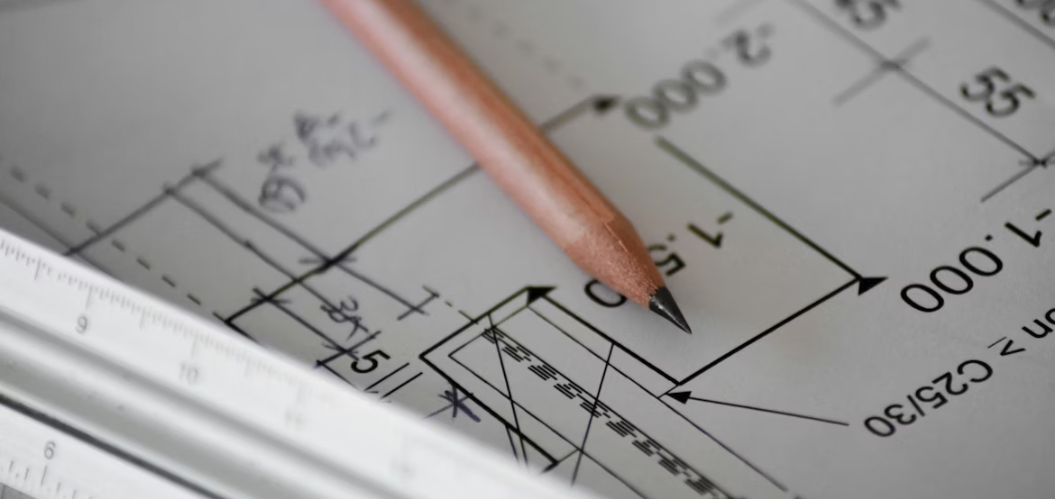
If you want to control cost, the best time to do it is before construction begins. Once work starts, changing anything becomes more expensive. Even a simple shift in layout can affect structure, plumbing routes, electrical points, and finishes.
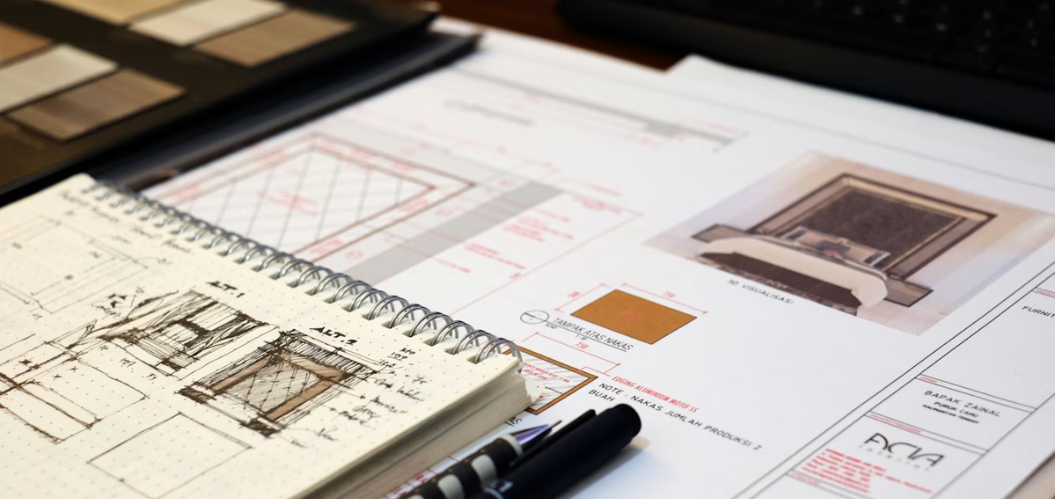
Professional builders spend time upfront aligning drawings, specifications, timelines, and responsibilities. This work is not “paperwork.” It prevents confusion later. It also gives the client a clearer picture of what they are actually building, not just what they think they are building.
Strong early planning helps avoid:
- Mid-project design changes
Many changes happen because decisions were left open at the start. Once a structure or service is in progress, changes don’t stay small. They affect multiple trades and usually trigger rework.
- Last-minute material substitutions
When materials aren’t locked early, the site ends up substituting due to availability, urgency, or miscommunication. The result is inconsistent finish quality and unpredictable cost. - Rushed decisions that affect quality
A rushed decision on site often becomes a permanent compromise. Later, it shows up as repairs, touch-ups, or dissatisfaction. Planning reduces the number of rushed decisions.
Accurate Quantity Estimation And Material Planning
Material cost is not only about what you buy. It’s also about what gets wasted. On many sites, wastage happens quietly through over-ordering, poor storage, damage, or repeated handling.
Professional builders put effort into accurate quantity estimation. Not guesswork, not rough numbers, but realistic calculations that match the drawings and construction method. Materials are then scheduled so they arrive when required, not months in advance.
This approach reduces:
- Wastage and damage
Cement exposed to moisture, tiles chipped in storage, steel left unprotected, and paint stored in heat. These losses add up. Timed deliveries and proper handling reduce them.
- Emergency purchases at higher rates
When material runs short unexpectedly, you buy in urgency. That urgency increases rates and transport costs. It also disrupts progress. - Storage-related losses
The longer materials sit on site, the higher the chance of theft, deterioration, or confusion. Better scheduling keeps the site tighter and cleaner.
Reducing Rework Through Better Execution
Rework is where budgets suffer the most, because you pay twice for the same outcome. The client pays twice, the timeline suffers, and the site loses momentum.
Rework often comes from workmanship issues, wrong sequencing, or missed detailing. Common examples include:
- Re-casting or hacking concrete
Wrong levels, shuttering issues, or poor compaction can force corrections that are expensive and messy.
- Re-plastering walls
Uneven plaster, hollowness, or early cracking usually needs rework before painting. That adds labour and slows finishing.
- Re-laying flooring
Flooring failures happen when bases are uneven, slopes are incorrect, or adhesives and joints are mishandled. Fixing flooring usually means breaking finished work.
- Reworking waterproofing
Waterproofing problems because they show up later. Once leakage starts, the repair often involves dismantling finishes.
This is where experienced construction execution experts truly save money. They prevent avoidable errors by supervising closely and getting the sequence right the first time.
Smarter Vendor And Contractor Coordination
Construction is not one job. There are many jobs happening in the right order. When that order breaks, costs rise.
If plumbing comes late, you break plaster. If electrical changes happen late, you cut into finished walls. If multiple trades work in the same area without coordination, damage becomes common and progress slows.
Professional builders manage coordination with clarity. They don’t just appoint vendors and hope for the best. They plan trade movement, zone readiness, and sequencing so teams enter the site only when the previous work is genuinely complete.
Good coordination helps:
- Prevent site congestion
Too many teams working in one area creates mistakes and slows everyone down. - Avoid damage to finished work
A lot of finishing gets spoiled simply because the next trade entered too early. Sequencing protects completed work.
Quality Control That Prevents Future Expenses
Some costs don’t show during construction. They show after handover. A leak that appears later, a drainage slope that causes water stagnation, and a finishing issue that keeps recurring. These repairs are expensive because the building is already in use, and fixing them often means undoing finished work.
Professional builders take quality checks seriously while the work is still accessible. Structure, waterproofing, services, and finishing stages need checks at the right time, not after completion.
Quality control saves money by:
- Reducing post-handover repairs
Fixing issues while the site is active is faster and cheaper than fixing them after occupancy. - Avoiding structural and waterproofing failures
These are expensive because they spread and because the repair process is disruptive. - Preserving long-term asset value
A home that stays stable and dry holds its value and reduces ongoing maintenance costs.
As Ravijeet Singh, the founder of RS Builders, often points out internally, you don’t judge construction quality at handover. You judge it after living with it.
Choosing Value Over Short-Term Savings
The lowest quote can be tempting, especially when it looks similar to other estimates. But the difference is usually in what the quote assumes and what it quietly excludes.
A slightly higher estimate can be more controlled if it is transparent, realistic, and linked to proper milestones. A lower estimate often looks attractive until “extras” begin appearing. Many clients end up paying more later, just in a different format.
Professional builders help clients think in terms of value:
- What will reduce future repairs?
- What will avoid rework?
- What will keep the timeline stable?
Working With A Professional Construction Company In Chandigarh
Local execution matters. A construction company in Chandigarh needs to understand how approvals, labour availability, and vendor ecosystems actually work on the ground. These things directly affect timelines and, as a result, costs.
When builders plan around local realities, the project runs smoother. Fewer surprises show up mid-way. Fewer urgent fixes are needed. That stability is what keeps cost from drifting over time.
Final Thoughts: Saving Money Without Cutting Corners
Professional builders help you save money in a very simple way. They prevent problems that would have cost you later.
They plan properly. They estimate accurately. They reduce wastage. They control sequencing. They supervise execution. They catch issues early instead of after handover. None of these are flashy, but they make the biggest difference.
When construction runs with discipline, budgets stay steady. And when budgets stay steady, you don’t need shortcuts to “save money.” You save money because the project is built right the first time.