
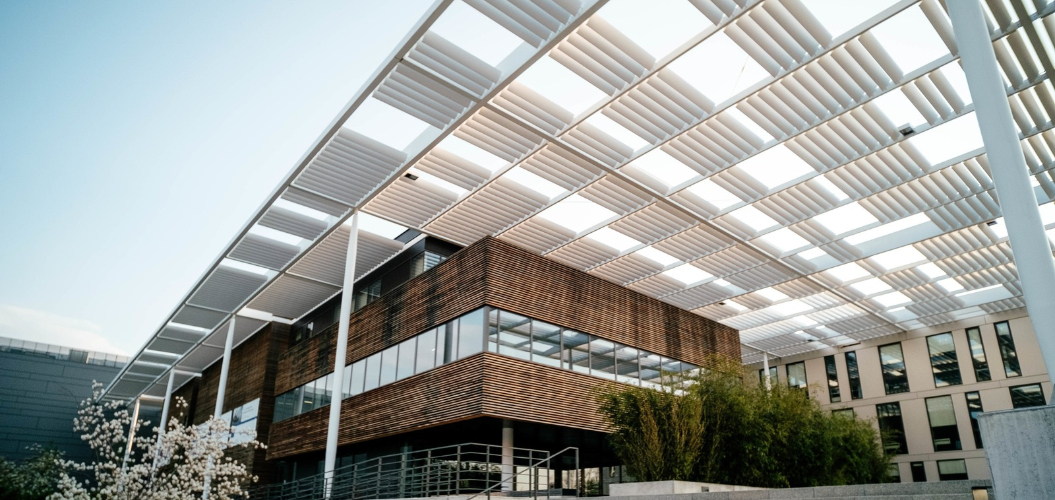
The history of the use of wood in construction is old. Despite the fact that nowadays wood is valued for its organic appearance and cosiness, it can require some maintenance, as moisture, termites, weather changes, and even frequent use affect the surface.
This is one of the reasons why the use of WPC in construction became a viable solution.
WPC (Wood Plastic Composite) refers to the use of wood fibers along with polymer materials in order to create an analog of wood that requires less maintenance. In those areas where conventional wood requires additional treatment, WPC could be a solution.
That does not mean WPC can replace every construction material. It has its own place in a project, and the right choice depends on where and how the material will be used.
WPC in Construction: An Overview
WPC is the abbreviated term used for wood-plastic composite. This is an engineered product formed from a combination of wood fibers or wood flour with polymer resin and other ingredients.
The definition is quite simple. WPC offers the aesthetics of wood in combination with several practical benefits provided by polymer products.
It may provide better resistance to:
- Moisture absorption
- Attacks by termites
- Exposure to weather conditions
- Formation of cracks and warping
- Need for maintenance
WPC is used mostly for non-structural applications like panels, doors, frames, cladding, partitions, decking, and decoration purposes.
However, one thing should be kept in mind: WPC is just a finishing product. It is not a replacement for structural items like RCC beams, columns, foundations, and slabs.
| Material | Composition | Common Applications |
|---|---|---|
| Natural Wood | Timber | Furniture, premium interiors, decorative work |
| Plywood | Layered wood veneers | Cabinets, furniture, interior applications |
| WPC | Wood fibres + polymer | Panels, frames, cladding, moisture-prone areas |
| PVC | Synthetic polymer | Pipes, panels, profiles |
Why Is WPC Being Used More In Modern Buildings?
Looks matter when choosing a material, but they are rarely the only consideration. Maintenance, weather conditions, expected lifespan, and everyday use can all affect the decision.
Think about kitchens, bathrooms, balconies, commercial interiors, and some outdoor areas. Wood can certainly be used in these spaces, but it may need extra treatment and care.
WPC offers a useful alternative because it provides:
- Better moisture resistance
- Lower maintenance requirements
- Consistent finish
- Longer service life in suitable applications
- Resistance to common wood-related issues
Still, the application should guide the decision. A WPC board that works for a decorative wall, for example, is not automatically suitable for a structural job.
Common Uses Of WPC In Construction
WPC is used in homes and commercial spaces where a wood-like appearance is wanted without relying entirely on natural timber.
Doors And Frames
WPC doors and frames are often considered for areas where moisture is an issue. Bathrooms, utility areas, and humid locations are some examples.
Unlike untreated wood, WPC does not absorb water in the same way, which makes it useful in these settings.
Wall Panels And Cladding
WPC panels can be used to give walls and other surfaces a wood-inspired finish. They are suitable for both interior and selected exterior applications.
Applications include:
- Feature walls
- Exterior cladding
- Decorative partitions
- Commercial interiors
Kitchen And Bathroom Applications
WPC can be used for certain kitchen and bathroom elements, including cabinets and panels. Its moisture resistance is particularly useful in spaces where humidity is a regular concern.
Outdoor Features
Depending on the product quality and specification, WPC can be used for:
- Decking
- Pergolas
- Louvers
- Outdoor panels
- Landscape features
Outdoor use needs some thought before installation. Sunlight, rain, and temperature changes can all influence how a product performs over time.
Benefits Of WPC In Construction
Here are some main benefits of WPC in construction:
1. Better Moisture Resistance
One of the biggest reasons WPC is considered in construction is its ability to handle moisture better than many traditional wood products.
This makes it useful in areas where water exposure is unavoidable, such as bathrooms, balconies, and exterior applications.
2. Lower Maintenance
Natural wood often requires polishing, painting, sealing, and regular care. WPC generally requires less maintenance, making it practical for projects where long-term upkeep needs to be controlled.
3. Termite Resistance
Because WPC contains polymer components, it offers better resistance against termite-related problems compared to untreated natural wood.
4. Design Versatility
WPC is available in different textures, colours, patterns, and finishes. This allows architects and designers to create wood-inspired aesthetics while using an engineered material.
5. Long-Term Durability
When selected correctly and installed properly, WPC can perform well in applications where moisture and maintenance are major concerns.
WPC Vs Traditional Wood-Based Materials
There is no single material that works for every project. The application, budget, location, performance requirements, and expected lifespan all influence the choice.
| Feature | WPC | Natural Wood | Plywood |
|---|---|---|---|
| Moisture Resistance | Higher | Lower without treatment | Depends on grade |
| Maintenance | Lower | Higher | Moderate |
| Termite Resistance | Better | Lower | Depends on treatment |
| Appearance | Wood-like finish | Natural texture | Depends on surface finish |
| Application Range | Panels, frames, cladding, interiors | Furniture, premium finishes | Furniture and interiors |
Is WPC Used For Structural Construction?
It is easy to see why WPC boards might be confused with structural materials. They come in board and panel forms, much like several other products found on a construction site.
But their purpose is different.
Beams, columns, foundations, and slabs need materials designed to carry structural loads. WPC is generally used for finishing, cladding, or decorative applications.
For example, a building can have an RCC structural frame and still use WPC for doors, interior panels, or decorative elements.
What Is Shuttering And How Is It Different From WPC?
WPC boards and shuttering materials may look alike at first because both can come as panels. They are used for very different purposes, though.
What Is Shuttering?
Shuttering is the temporary mould or framework that holds fresh concrete in position while it gains strength. Plywood, steel, and aluminium systems are commonly used for this work.
Once the concrete has gained enough strength, the shuttering is removed.
WPC is generally a finished material. It does not serve the same temporary support function during concrete casting.
| Shuttering | WPC |
| Temporary construction support | Permanent finishing material |
| Holds fresh concrete during casting | Used for panels, frames, and finishes |
| Removed after concrete gains strength | Remains part of the application |
| Used in RCC work | Used mainly for interiors and exteriors |
WPC Applications Around Different Types Of Slabs
WPC does not replace slab systems, but it can be used in finished areas associated with different types of slabs.
For example:
- WPC ceiling features can be installed below RCC slabs.
- WPC panels may be used around balconies connected with slab systems.
- Decorative elements can complement terrace and commercial spaces.
The slab itself serves the structural purpose.
| Type Of Slab | Common Use |
|---|---|
| RCC Slab | Residential and commercial buildings |
| PT Slab | Longer spans and reduced deflection |
| Flat Slab | Spaces where fewer columns are preferred |
| One-Way Slab | Transfers load mainly in one direction |
| Two-Way Slab | Distributes load in two directions |
WPC, meanwhile, can be used to finish or enhance the surrounding space.
Is WPC A Sustainable Construction Material?
There is no simple answer to whether WPC is sustainable. Its environmental impact depends on how it is produced, used, maintained, and eventually disposed of.
Some WPC products contain recycled polymers and wood fibres, which can reduce the use of virgin materials. Even so, the material should be considered across its full lifecycle rather than judged by a sustainability label alone.
According to the European Commission, construction and demolition waste represents more than one-third of all waste generated in the European Union. This underlines the importance of using construction materials carefully and reducing unnecessary replacement and waste.
A durable product that stays in use for longer can also reduce the need for frequent replacement.
Choosing WPC For Commercial Projects
Commercial spaces tend to see more regular use than homes, so material choices need to account for that. Offices, showrooms, hospitality spaces, and retail environments may have different requirements for appearance, maintenance, and durability.
For commercial construction in Mohali, factors that may influence material selection include:
- Climate exposure
- Footfall
- Maintenance expectations
- Design requirements
- Long-term performance
Experienced construction services can help assess where WPC makes sense and where another material may be a better fit.
| Building A Space With The Right Material Choices?
Better material decisions create better-performing spaces. |
The Bottom Line
WPC has its use in construction, especially in those places where moisture protection, maintainability, and wood-like appearance are crucial.
Its usage does not aim to substitute all other building materials used in the construction project.
Used in the right place, WPC can work well for moisture-prone interiors, decorative applications, commercial finishes, and selected exterior features.
It is important to know the material prior to making a decision. When the application matches what WPC is designed to do, it can be a practical addition to a construction project.
Frequently Asked Questions
- How is WPC installed in construction projects?
WPC installation depends on the application and product type. Panels, cladding, frames, and decking may require different fixing methods, so installation should follow the manufacturer’s specifications and site requirements.
- Can WPC be painted or customised after installation?
Some WPC products are available in different colours, textures, and finishes, reducing the need for additional painting. Whether a particular WPC product can be painted depends on its composition and surface treatment.
- How long does WPC typically last?
The service life of WPC depends on product quality, installation, location, exposure to weather, and maintenance. Properly selected and installed WPC can provide long-term performance in suitable applications.
- Does WPC require special cleaning or maintenance?
WPC generally needs less maintenance than natural wood. Routine cleaning is usually sufficient, although outdoor applications may require additional care depending on exposure to sunlight, rain, dust, and temperature changes.
- What factors should be considered before selecting WPC?
Consider the intended application, moisture exposure, indoor or outdoor location, expected usage, product specifications, installation requirements, and long-term performance before choosing WPC for a project.