
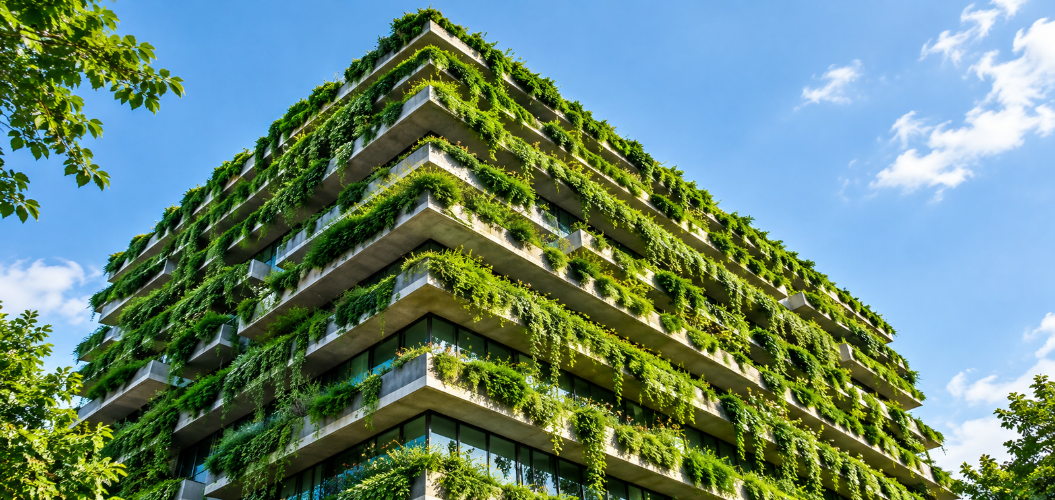
The construction of a house begins impacting the environment even before its lights go on. Extracting stones, manufacturing cement, and transporting bricks all consume resources even before any room comes into existence.
There are some sustainable materials that can decrease the impact of construction due to their low emissions of greenhouse gases, proper sourcing, and extended lifetime.
However, there are certain materials that also enable you to consume less energy by using them in the construction process. It depends on the material selection that suits the construction and lasts longer. Here are ways to select the material for your upcoming construction.
What Are Sustainable Building Materials?
Sustainable building materials are materials chosen to minimize damage to the environment throughout their lifecycle—from extraction of raw materials, through production and distribution, installation and maintenance, right up until the point of either reuse or disposal.
No material performs best in every case. One choice may be recycled wood for one aspect of construction, whereas another option might be a newly developed, low-carbon concrete mix.
The response to the question “What are sustainable building materials?” must thus take each project on its own merits. Make comparisons between different products offering the same performance characteristics.
The scope of the challenge is huge. According to UNEP’s Buildings 2025-2026 report, the impact of the construction sector on the planet amounts to some 37% of the world’s carbon dioxide emissions and 48% of the world’s material extraction.
The Environmental Impact Starts Before Construction
Two terms help explain how sustainable building materials contribute:
- Embodied carbon: Carbon emissions related to materials and construction processes like manufacturing, transportation, maintenance, and end-of-life disposal.
- Operational carbon: Carbon emissions related to the energy that goes into operating the building, like heating and air conditioning.
One wall material could emit less carbon during the manufacturing process but will need to be replaced often; another could emit more during manufacturing but will last longer and/or provide better insulation.
That’s why sustainable construction and materials must be evaluated together because design impacts usage of the material, performance, and even recyclability.
Five Ways Better Materials Reduce Environmental Harm
1. Lower Emissions From Manufacturing
Conventional cement and metal production can cause high emissions. Sustainable building materials will be effective where similar materials are produced using lower-emitting processes or less carbon-intensive materials.
For instance, a properly made concrete is capable of containing supplementary cementitious materials that lower the amount of Portland cement. However, it still has to satisfy project specifications concerning strength and durability.
Do not assume that all blends have the same effect. Seek information on the environmental impact of specific products.
2. Reduce Demand for Virgin Resources
Construction materials made from recycled sources can be used to offset the use of new sources. Examples include recycled metal and recycled aggregates, depending on their usage and specification.
Utilization of an existing door and quality flooring material will cut down the manufacturing process completely. The construction guidelines from the US Environmental Protection Agency encourage conservation of buildings and utilization of recyclable materials.
Sustainable building materials will be most effective when combined with good design. Avoiding unnecessary construction saves more materials than substituting each conventional product.
3. Reduce Heating and Cooling Demand
Proper insulation and glazing can lower heat loss or gain. Sustainable house materials will be used in combination with other elements like shading, ventilation, and airtightness.
According to the US Department of Energy, the need for insulation will vary based on climate and the specific building element that is to be insulated.
When selecting sustainable building materials for houses, one should focus on the entire assembly. Insulation does not work well when there are any moisture issues, leaks, or improper installation.
4. Extend the Useful Life of a Building
Durable quality is another feature that makes sustainable building materials more attractive. Materials that survive under the required conditions require fewer replacements and thus undergo repeated manufacturing and discarding.
Repairability is also important. It allows maintaining the efficiency of the building without having to demolish it completely.
Construction services should pay attention to post-installation material performance. From first impressions, we cannot assess its ecological qualities.
5. Keep Usable Materials Out of Landfill
Sustainable construction materials can be used to achieve a circular concept, where the products continue to be usable through maintenance, reuse, and/or recycling.
Accessible mechanical joints can facilitate future dismantling better than adhering several materials together. Dismantling waste can improve recovery chances during construction.
On the other hand, “recyclable” does not always imply “recycled.” A practical strategy should determine who will collect and treat the material locally.
How Can You Recognise Credible Environmental Claims?
The characteristics of sustainable building materials should be proven through evidence. The terms “natural” and “green” do not give any insight into the manufacturing process or even how the material performs in the long term.
An Environmental Product Declaration, or EPD, is a statement of the environmental impacts of the product with a specific method of assessment used to measure these impacts.
Request the following from your supplier/construction services provider:
| Evidence to request | What it helps establish |
| Product specifications and test reports | Suitability for the proposed application |
| Verified recycled-content information | How much recovered material the product contains |
| Relevant sourcing certification | Evidence supporting responsible sourcing claims |
| Comparable environmental declarations | Reported impacts under consistent assessment conditions |
| Maintenance and expected service-life information | Likely replacement and upkeep requirements |
| Reuse or take-back arrangements | Whether recovery is practical after use |
In assessing materials for eco-friendly sustainable buildings, consider equal quantities and effectiveness. Having a reduced impact for each kilogram does not necessarily translate to being eco-friendlier if the building requires much more of the materials.
Combine Materials With Smarter Construction Methods
Sustainable materials and technologies have an enhanced performance capability when planned together. Digital quantification, coordinated drawings, and standard dimensions will assist in eliminating wasteful purchasing and cutting.
Prefabrication may increase material control, but the impact of prefabrication needs to be evaluated before it is tagged as sustainable.
A construction company in Mohali should link material use and site practices. Damage prevention and realistic purchasing of stored items will ensure that useful materials do not turn into waste.
Sustainable building materials require proper installation, as poor craftsmanship reduces service life and environmental sustainability.
Choosing Sustainable Building Materials for Homes
Start by taking into account the greatest amounts of materials and the regions that affect energy use.
Then you should follow this procedure:
- Look for suitable products to fulfill the design criteria.
- Consider the environmental data and the lifetime of use.
- Check the availability of suppliers and installation capabilities.
- Plan the maintenance and recovery.
When homeowners compare construction services, they need to find out how the proposed substitutes will be examined. The architect or the engineer should examine the impacts that the change may have on the structural behavior, moisture control, and fire safety.
The proper construction company in Mohali should justify these choices and provide a list of approved specifications.
Wrapping Up
Sustainable construction materials minimize the ecological footprint if they consume less energy and emissions and have dependable performance characteristics.
The effectiveness of sustainable construction materials relies on where they come from, the design, and what goes into them during their useful life. Select proven materials, plan for maintenance, and collaborate with construction services that comprehend the specifications. A good structure uses its resources prudently from the outset.
FAQs
- Is sustainability associated with higher costs for building materials?
Not always. The cost may vary, and, in some cases, second-hand items could be inexpensive. Consider installation, maintenance, and replacement along with purchase cost. - Can recycled construction materials be used as structural materials?
Yes, depending on meeting relevant standards and engineering criteria. Recycling alone does not ensure that the material is strong enough. - Are all natural materials sustainable?
No. There are many other factors to consider, such as extraction, manufacturing, transportation, and longevity, among others. - Is it possible to make an existing home sustainable?
Yes. Preserving functional parts, increasing proper insulation, and using durable replacements will help minimize waste and resource consumption.